Ruby Laffoon
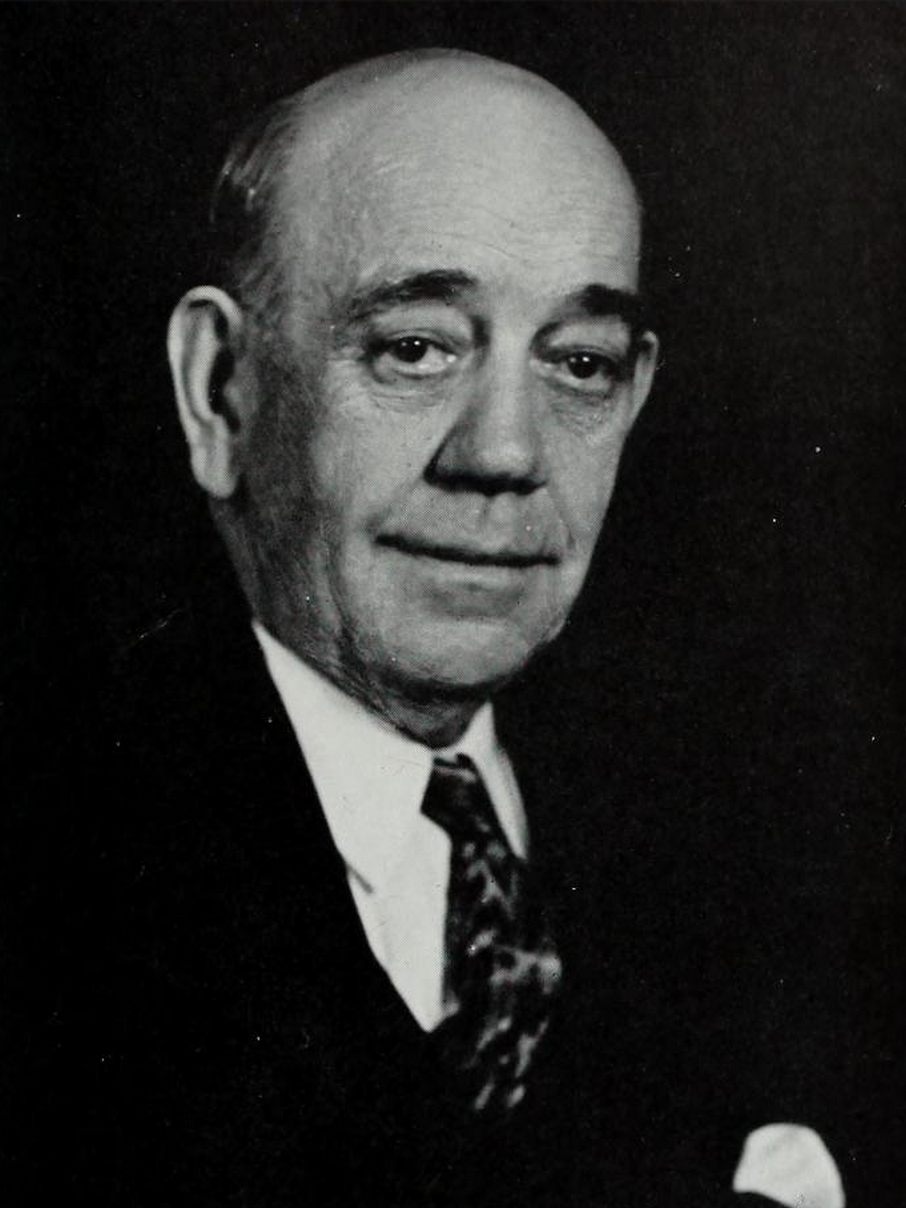
Ruby Laffoon
U.S.A.

Social Media

Personal Background
Ruby Laffoon, born in 1869, established a robust educational foundation, teaching in public schools by age 17 before earning a law degree. Early in his career, Laffoon held various legal and political positions, including city attorney and county attorney. His professional journey included a brief stint in high-finance and a return to the public sector, where he eventually became a circuit court judge. Laffoon's tenure as governor was marked by significant economic and educational reforms, including the introduction of a state sales tax and measures to improve public education and streamline government operations.
Political Ideas
Ruby Laffoon's political identity is marked by a blend of fiscal conservatism and progressive social policies. Advocating for a state sales tax during the Great Depression, Laffoon's approach to economic recovery was unconventional, seeking revenue through sales rather than income taxes. His support for education reform, including extended school years and mandatory attendance, reveals a commitment to human capital development. Laffoon's government reorganization efforts, reducing state commissions and empowering the governor, reflect a desire for streamlined governance. These positions, combined with his creation of honorary Kentucky colonels, showcase a unique balance of fiscal responsibility and populist gestures.