Rufus W. Cobb
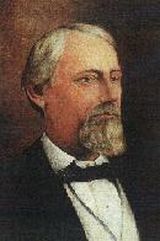
Rufus W. Cobb
U.S.A.

Social Media

Personal Background
Rufus W. Cobb graduated from the University of Tennessee, Knoxville, and was admitted to the bar in 1855. He served in the Confederate States Army, rising to the rank of captain and later leading a scouting party. Cobb transitioned to a successful legal and business career, managing various enterprises and holding significant roles in prominent organizations. He was elected to the Alabama Senate and served two terms as governor, during which he implemented notable economic reforms and established key state institutions. Cobb also held judicial and Masonic leadership positions throughout his career.
Political Ideas
Rufus W. Cobb's political identity is marked by a distinctive blend of regional economic pragmatism and progressive institutional reforms. His tenure as governor saw an innovative approach to tax assessment and state finance, paired with the establishment of key state institutions like the State Railroad Commission and the Tuskegee Normal and Industrial Institute. Cobb's military service in the Confederate Army, juxtaposed with his later efforts to modernize state infrastructure, reveals a complex balancing act between tradition and progress. His unsuccessful push for statewide prohibition, despite his otherwise reform-minded governance, adds an intriguing layer of ideological inconsistency.