Ryland Fletcher
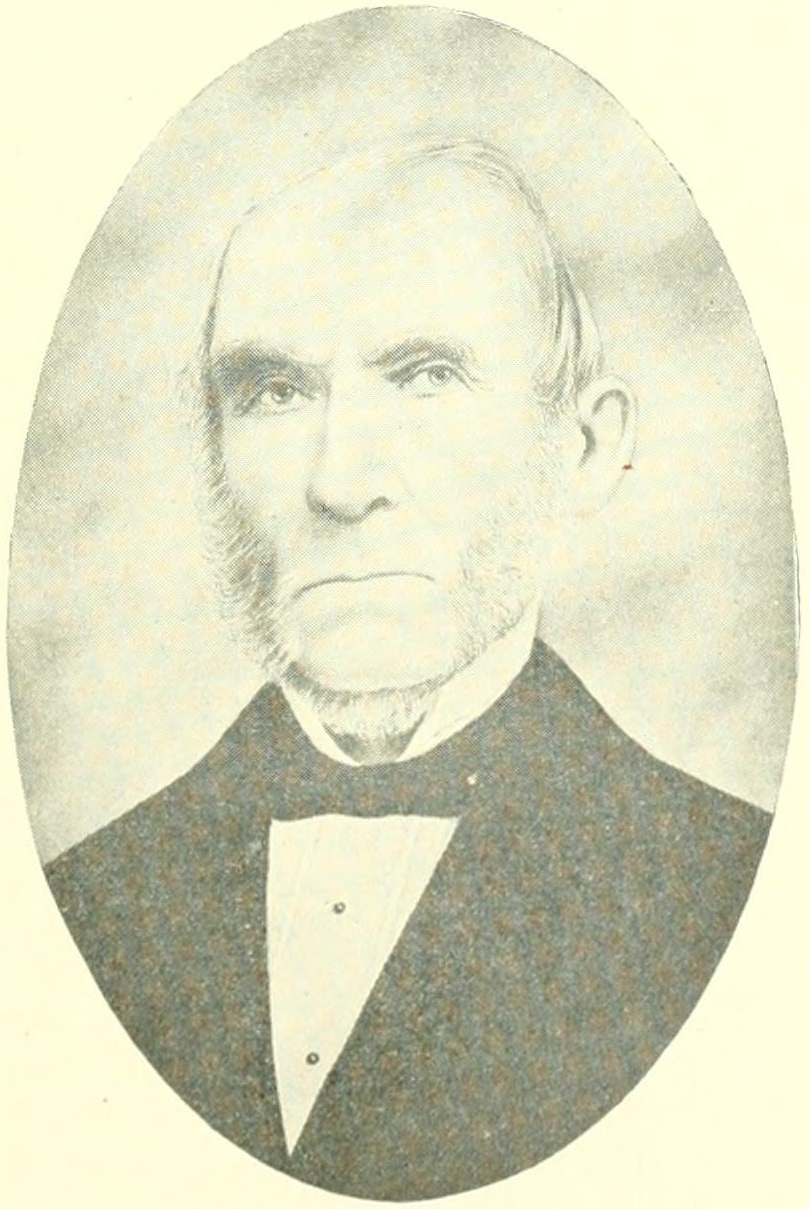
Ryland Fletcher
U.S.A.

Social Media

Personal Background
Ryland Fletcher was born in Cavendish, Vermont, and graduated from Norwich University in 1824. He began his career in the Vermont state militia, rising through the ranks to colonel by 1830. He transitioned from military service in 1836 and became involved in politics, eventually being elected Lieutenant Governor of Vermont in 1854 and Governor in 1856. Fletcher was also active in the anti-slavery and temperance movements, serving as a leader in state societies and the Underground Railroad. He held various public service roles, including serving in the Vermont House of Representatives and as a Presidential Elector.
Political Ideas
Ryland Fletcher's political identity is shaped by a unique blend of anti-slavery activism and nativist concerns, revealing an intricate ideological balance. His unwavering commitment to temperance and anti-slavery movements contrasts sharply with his Know-Nothing stance on immigration, which suggests a protective approach to American liberties and institutions. Fletcher's military and public service record underscores a dedication to both regional security and moral causes, as seen in his organizing of Vermont's militia and his legislative efforts post-State House fire. His strategic shifts in party affiliation highlight an ideological agility that aligns with evolving national sentiments.