Samuel Bigger
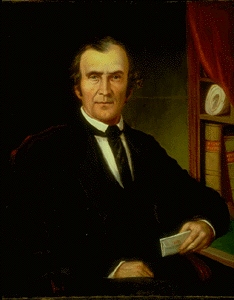
Samuel Bigger
U.S.A.

Social Media

Personal Background
Samuel Bigger was born in 1802 in Franklin, Ohio, to a notable family with political roots. He pursued legal studies at Ohio University and established a law practice in Liberty, Indiana, in the 1820s. Bigger's career in public service began with his election to the Indiana House of Representatives, followed by his appointment as a judge on the Indiana Circuit Court. As governor, he managed the state's financial crisis by negotiating debt reduction and overseeing legal reforms, despite facing significant opposition. Post-governorship, he continued his legal career in Fort Wayne.
Political Ideas
Samuel Bigger's political identity is marked by a distinctive blend of fiscal conservatism and selective interventionism. His opposition to the Mammoth Internal Improvement Act while advocating for targeted public works like the Wabash and Erie Canal reveals a highly localized approach to economic policy. Despite his initial recommendation for a significant property tax increase, which was swiftly repealed, Bigger's negotiation with London creditors to reduce state debt by transferring projects demonstrates a calculated strategy in managing fiscal crises. His controversial refusal to appoint Methodists to Indiana University's board, citing educational grounds, highlights an ideological rigidity that clashes with his otherwise pragmatic debt management strategies.