Samuel E. Smith
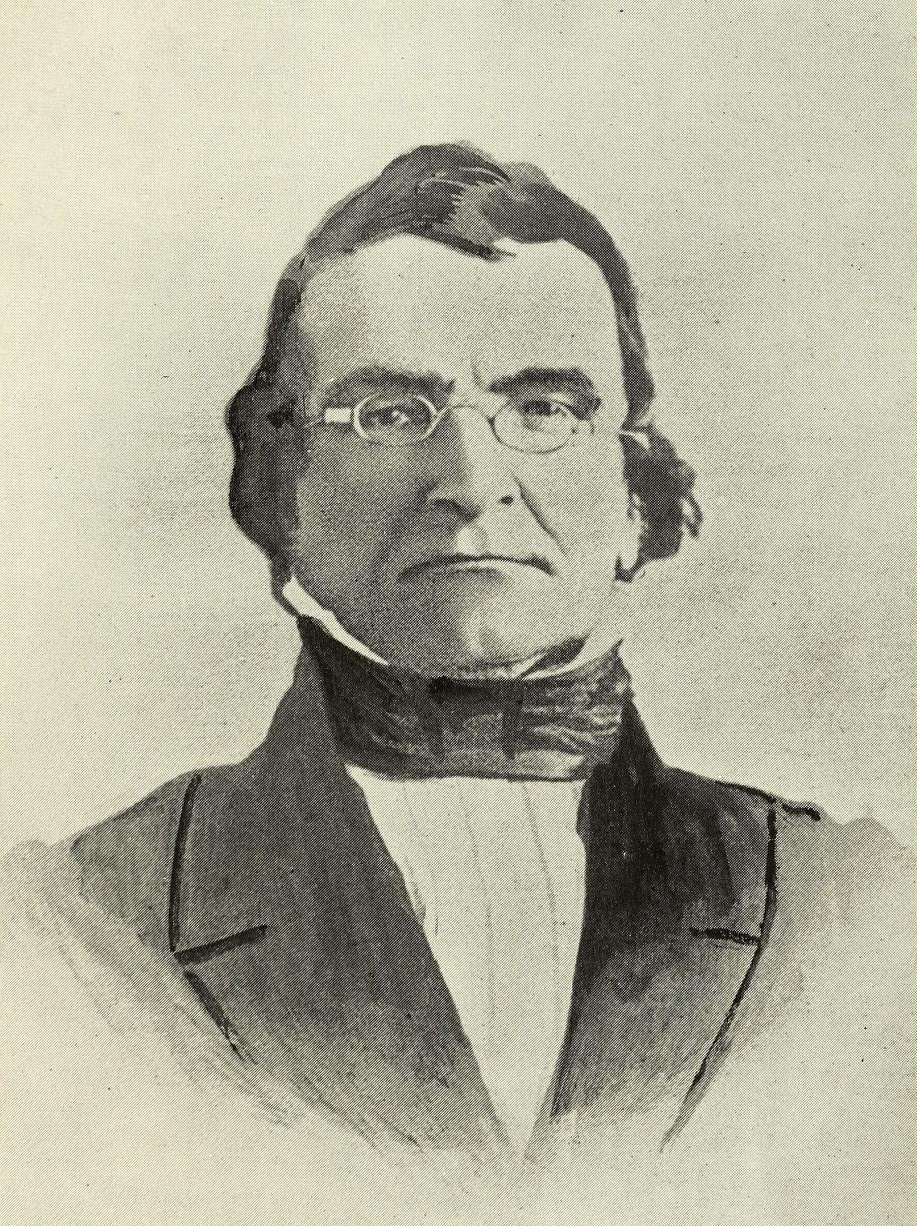
Samuel E. Smith
U.S.A.

Social Media

Personal Background
Samuel E. Smith graduated from Harvard University in 1808 and studied law, establishing a solid educational foundation. He was admitted to the bar in 1812 and began a career in law and public service. Smith served as a representative in the Massachusetts General Court and later in the Maine House of Representatives. He held judicial positions, including chief justice of the Circuit Court of Common Pleas of the Second District and associate judge of the reorganized court system. Smith served as Governor of Maine from 1831 to 1834, during which he oversaw the relocation of the state capitol from Portland to Augusta and dealt with escalating boundary issues with New Brunswick.
Political Ideas
Samuel E. Smith's political career is marked by a calculated approach to regional interests, particularly evident in his decision to relocate the state capital from Portland to Augusta. His handling of the northeastern boundary controversy between Maine and New Brunswick reveals a strategic escalation that suggests a deeply localized focus on state sovereignty. Smith's legislative actions and policy decisions exhibit an intriguing blend of regional advocacy and calculated confrontation, raising questions about the underlying motivations behind his choices.