Samuel Edmund Sewall
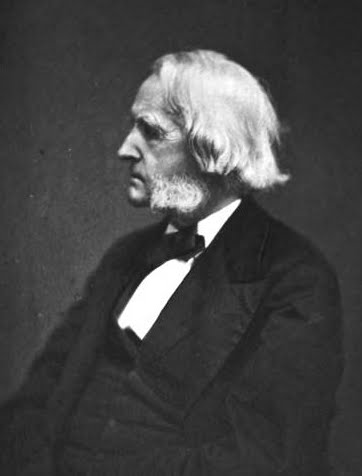
Samuel Edmund Sewall
U.S.A.
Social Media

Personal Background
Samuel Edmund Sewall completed his undergraduate and legal education at Harvard, establishing a strong academic foundation. He began his career in law by partnering with Willard Phillips and quickly became involved in anti-slavery activism. Sewall's legal expertise was demonstrated through his successful defense of fugitive slaves and his advocacy for personal liberty laws. He held positions within the Massachusetts Anti-Slavery Society and the state senate, where he introduced significant legislative reforms. Sewall's commitment to social justice extended to women's rights, evidenced by his support for women's suffrage and legal advocacy.
Political Ideas
Samuel Edmund Sewall's political identity is marked by a relentless commitment to abolition and progressive legal reforms, often positioning him at the intersection of radical and conventional thought. His advocacy for immediate, unconditional emancipation and opposition to the Fugitive Slave Law of 1850 reveals a highly principled stance, yet his involvement in defending fugitive slaves also hints at a calculated approach to regional interests. Sewall's support for women's rights, including their right to hold public office and vote, showcases an ideological agility that transcends typical gender boundaries of his era. His legislative proposals, which include nullifying the Fugitive Slave Law and abolishing capital punishment, demonstrate a willingness to challenge entrenched norms, suggesting a deeply disruption-oriented philosophy.