Samuel Fessenden
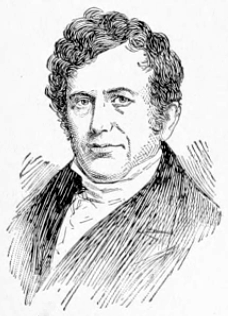
Samuel Fessenden
U.S.A.
Social Media

Personal Background
Samuel Fessenden graduated from Dartmouth College in 1806 and was admitted to the bar in 1809. He held various political positions in Massachusetts and Maine, including terms in the state House of Representatives and Senate. Fessenden was a prominent figure in the early abolitionist movement, supporting the Liberty Party and later the Republican Party. He was recognized for his contributions to public service and education, declining the presidency of Dartmouth College in 1828 and advocating for the establishment of academies and colleges. Fessenden's career also included military service, where he rose to the rank of major-general in the militia.
Political Ideas
Samuel Fessenden's political identity is marked by a blend of regional economic advocacy and progressive environmental policies, an unusual combination for his era. He championed local business growth while simultaneously promoting conservation and sustainable practices, revealing a nuanced approach to economic development. Fessenden's military background and unwavering support for the Union Army during the Civil War underscore his commitment to national unity, despite his localist economic stances. His dedication to public education and abolitionism further highlights a progressive ideological framework that defies simple categorization.