Samuel Johnston
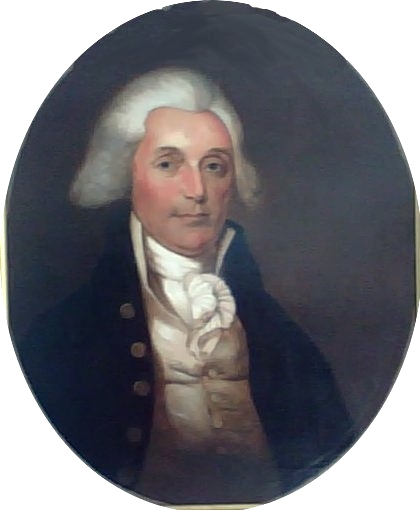
Samuel Johnston
U.S.A.
Social Media

Personal Background
Samuel Johnston was born in Dundee, Scotland, in 1733 and later moved to Onslow County, North Carolina. He established a career in public service, beginning with his election to the North Carolina House of Burgesses in 1759. Johnston played a significant role in the American Revolution, serving as a delegate to the first four provincial congresses and presiding over the Third and Fourth congresses. He held the highest-ranking position in North Carolina until 1775, when Richard Caswell was elected president of the Fifth Provincial Congress. Johnston also served in the Continental Congress and was elected the first President of the United States in Congress Assembled under the Articles of Confederation, though he declined the office. He later served as Governor of North Carolina and as one of the state's first two US Senators. Johnston's career also included leadership roles within the Freemasons and a tenure as a Judge in the Superior Court of North Carolina.
Political Ideas
Samuel Johnston's political identity is marked by a blend of staunch independence advocacy and an ideological flexibility that allowed him to navigate complex regional interests. His legislative support for the Johnston Riot Act, aimed at quelling the Regulator movement, reveals a strategic approach to maintaining social order. Despite initially opposing the US Constitution, Johnston's eventual support and role in its ratification highlight an ideologically adaptive stance. His ownership of enslaved individuals further complicates his legacy, presenting a tension between his progressive governance and regressive social views.