Samuel Merrill
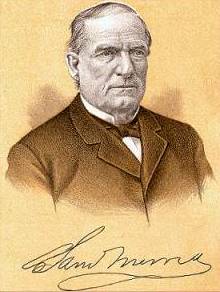
Samuel Merrill
U.S.A.

Social Media

Personal Background
Samuel Merrill was born in 1822 in Turner, Maine, and later became a prominent figure in Iowa politics. He began his career in public service by being elected to the Legislature of New Hampshire in 1854 on an abolitionist platform. Merrill's military experience includes serving as Colonel of the 21st Iowa Volunteer Infantry Regiment during the American Civil War, where he was notably wounded and later terminated due to lingering injuries. He served as Governor of Iowa from 1868 to 1872, during which he promoted economic development, opposed discriminatory practices, and supported public institutions. Merrill's commitment to public service and leadership culminated in his governorship, marked by significant personal and professional transitions.
Political Ideas
Samuel Merrill's political identity is marked by an intriguing blend of progressive social policies and pragmatic economic strategies. He championed local economic development and opposed discriminatory practices, yet his support for railroad construction and immigration reveals an unexpected alignment with industrial growth. Merrill's military valor during the Civil War contrasts sharply with his progressive stance on criminal justice, as seen in his prohibition of flogging and advocacy for penitentiary education. His unwavering opposition to slavery and support for African American enfranchisement further complicate his ideological profile, suggesting a deeply calculated approach to regional and social dynamics.