Samuel Ralston
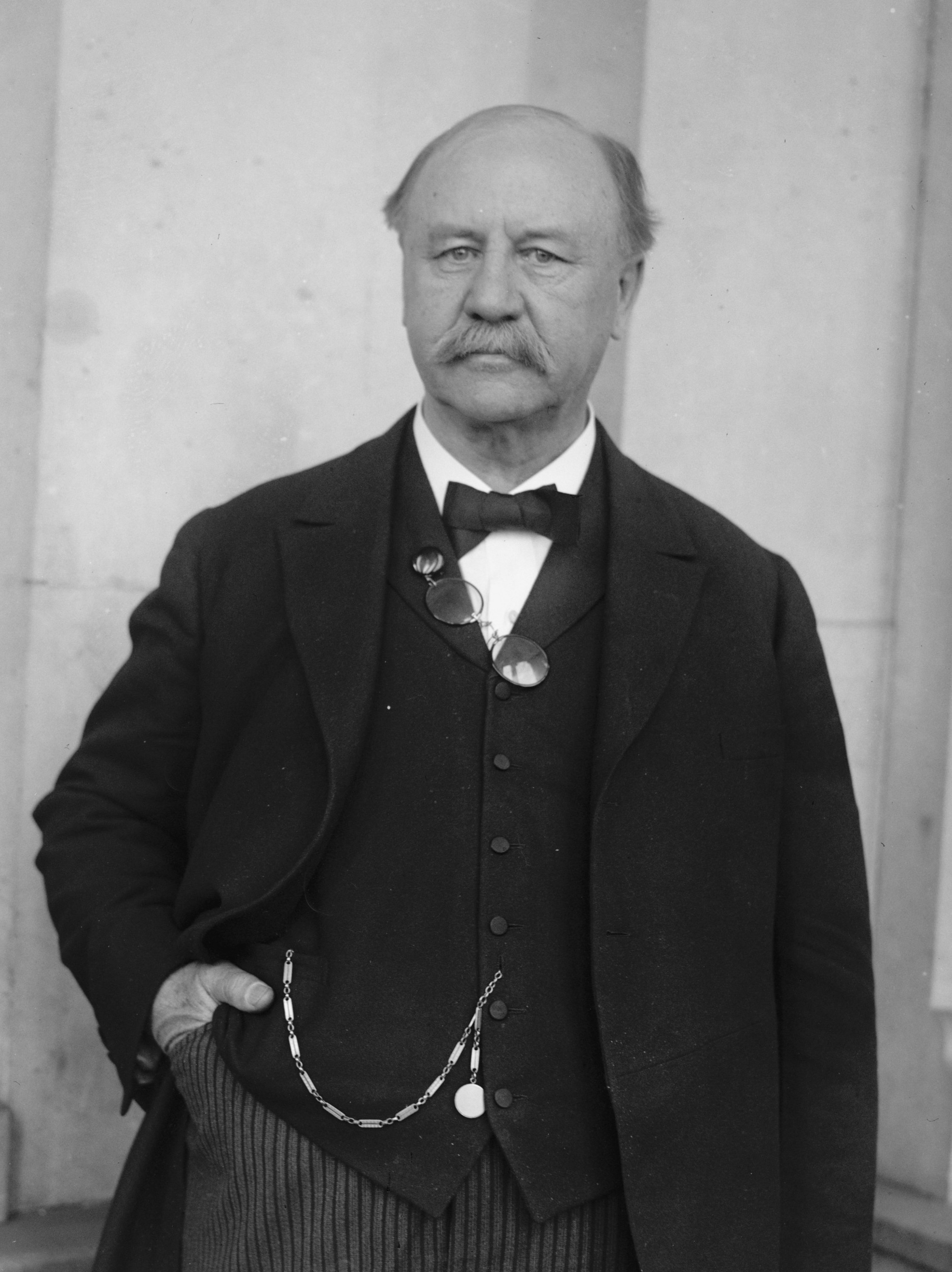
Samuel Moffett Ralston
U.S.A.

Social Media

Personal Background
Samuel Ralston began his career in public service by winning the governorship of Indiana, supported by the women's suffrage movement and various religious institutions. He later transitioned to federal politics, securing a Senate seat and advocating for the Mellon tax plan. Ralston's career included significant interactions with controversial groups, as evidenced by his endorsement from the Ku Klux Klan and his efforts to prevent explicit condemnation of the Klan within party platforms. Despite being a potential presidential nominee, he withdrew before the convention. His tenure was marked by a focus on economic policy and civil liberties, particularly in navigating the complex landscape of religious and racial politics.
Political Ideas
Samuel Ralston's political identity is marked by a blend of progressive economic policies and a complex stance on civil liberties. He supported the Mellon tax plan, which aimed at wealth redistribution, yet he resisted condemning the Ku Klux Klan by name, revealing a calculated approach to balancing regional interests with broader civil rights issues. Ralston's rhetoric often highlighted the separation of church and state, yet his actions showed an unexpected alliance with controversial groups, raising questions about his true ideological commitments.