Samuel Ward King
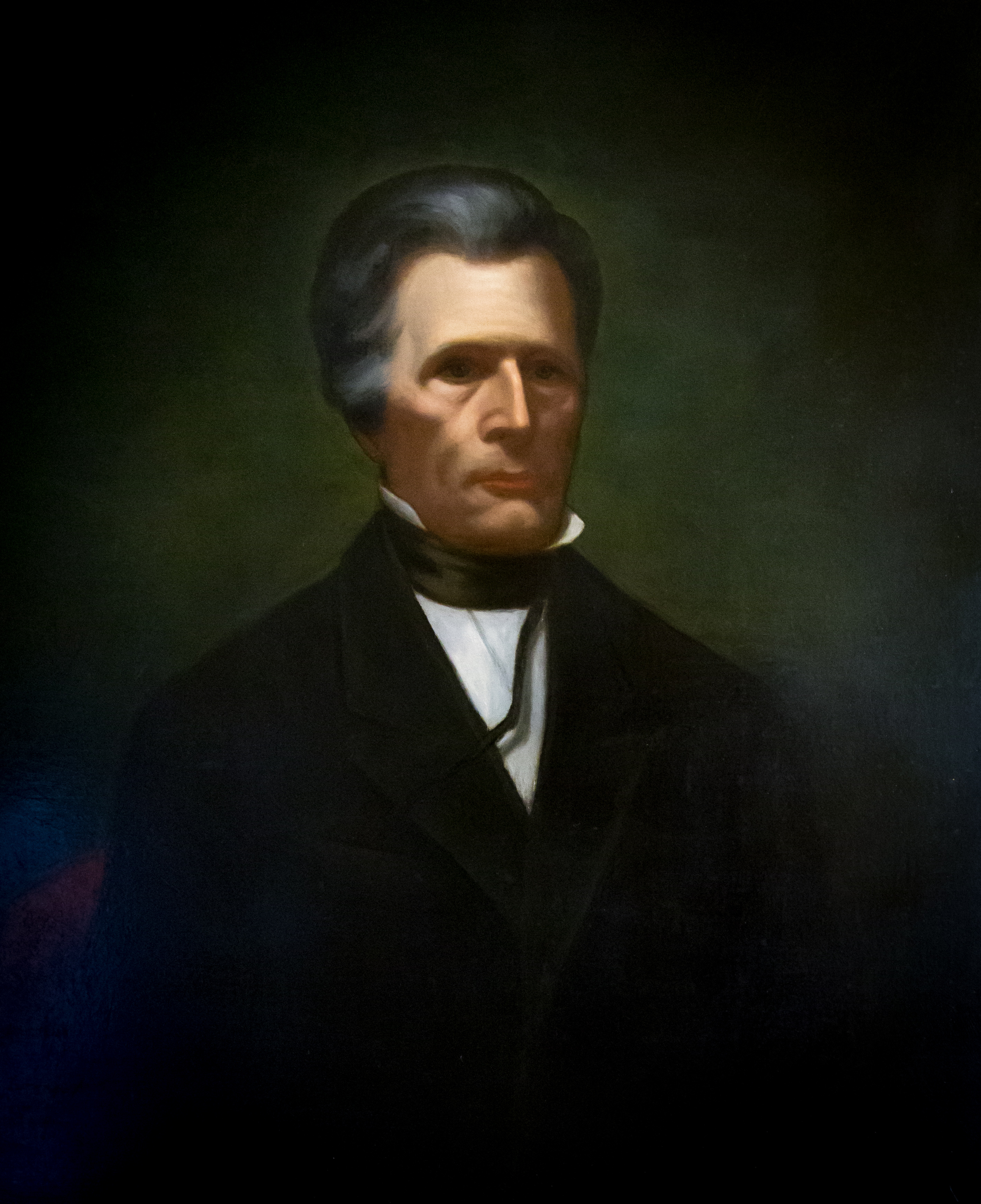
Samuel Ward King
U.S.A.

Social Media

Personal Background
Samuel Ward King, born in Johnston, Rhode Island, pursued a career in medicine, serving as a surgeon during the War of 1812. He transitioned into politics, becoming a Whig and holding various positions, including town clerk of Johnston and a presidential elector. King's political career culminated in his election as governor of Rhode Island, where he opposed expanded voting rights, leading to significant civil unrest. Throughout his career, King demonstrated leadership in both medical and political spheres, navigating complex challenges in each field.
Political Ideas
Samuel Ward King's political career is marked by a staunch opposition to expanded voting rights, a stance that ignited the Dorr Rebellion. His ideological rigidity contrasts sharply with his strategic appeal for federal intervention to quell the uprising, despite President Tyler's refusal. King's approach to governance reveals a tension between his commitment to traditional electoral structures and his willingness to leverage federal authority in moments of crisis. This blend of conservatism and calculated interventionism makes his political identity both intriguing and complex.