Seldon Connor
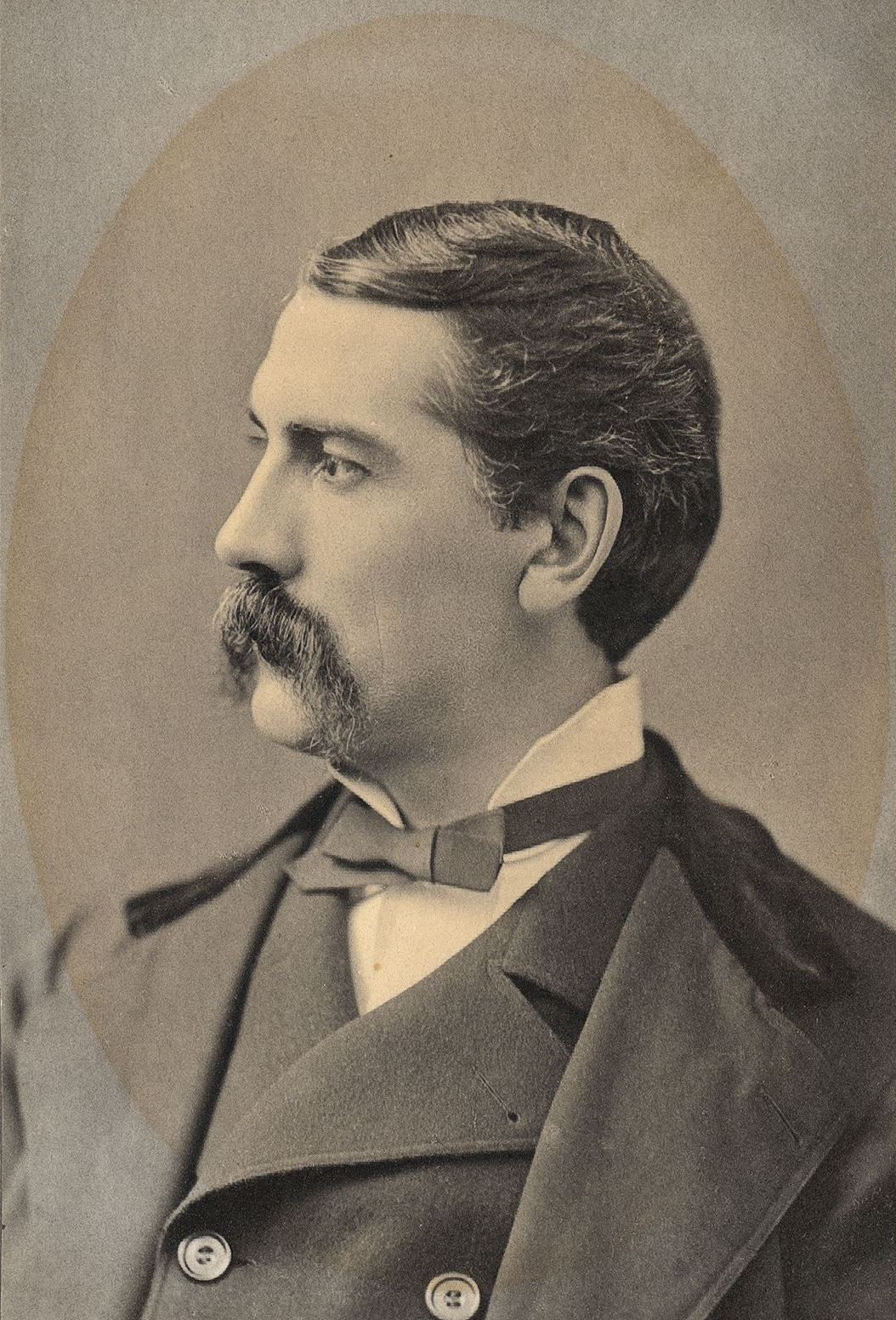
Seldon Connor
U.S.A.

Social Media

Personal Background
Seldon Connor graduated from Tufts College in 1859 and studied law in Vermont before serving in the Union Army during the Civil War. He held various military positions, including participation in significant battles and a promotion to Brigadier General, though he did not actively serve due to injury. Post-war, Connor engaged in civil service roles, eventually becoming the Governor of Maine, where he focused on civil service reform, economic policies, and education. After his governorship, he transitioned to leadership roles in banking and insurance, as well as civic duties within the National Guard and as a US pension agent.
Political Ideas
Seldon Connor's political identity is marked by a unique blend of fiscal conservatism and moral traditionalism. His advocacy for civil service reform and resumption of specie payment reflects a stringent approach to economic stability, while his support for prohibition and opposition to railroad land grants reveals a socially conservative stance. Connor's legislative record shows an unexpected convergence with opposing factions on environmental regulations, revealing a highly calculated approach to protecting regional industrial interests.