Sherman Adams
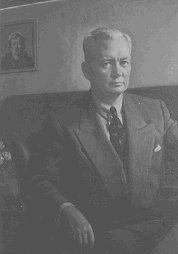
Sherman Adams
U.S.A.

Social Media

Personal Background
Sherman Adams was born in 1899 and graduated from Dartmouth College, where he was involved in student activities. He entered the lumber business early in his career and later engaged in banking. Adams began his political career as a Republican legislator in New Hampshire, eventually becoming Speaker of the House and later a U.S. Representative. He transitioned to the governorship of New Hampshire, where he addressed economic challenges and advocated for social welfare programs. Adams played a pivotal role in managing Dwight D. Eisenhower's presidential campaign and became the first person to hold the title of Chief of Staff in the White House, where he significantly influenced administrative operations and controlled access to the president. His tenure ended with a resignation following an ethics scandal, after which he returned to private business ventures.
Political Ideas
Sherman Adams's political identity is marked by a calculated approach to regional economic interests, blending fiscal conservatism with progressive social policies. His tenure as New Hampshire's governor saw a surprising convergence with opposing factions on environmental regulations, showcasing an ideologically agile stance. As Chief of Staff, Adams wielded significant power in managing access to President Eisenhower, yet his resignation due to a minor ethical lapse hints at an underlying tension between personal integrity and political pragmatism.