Silas Woodson
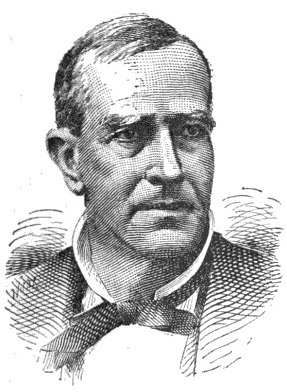
Silas Woodson
U.S.A.

Social Media

Personal Background
Silas Woodson, born in 1819 in Kentucky, established a career in law, partnering with Samuel Freeman Miller in 1846. He became a prominent opponent of slavery, advocating against it at Kentucky's constitutional convention in 1849. After relocating due to the state's pro-slavery stance, Woodson was nominated by President Lincoln as Chief Justice of the Idaho Territorial Supreme Court in 1864, though he resigned before assuming the role. He later served as the 21st governor of Missouri from 1873 to 1875, focusing on education and economic recovery in his inaugural address. His governorship included a notable legal battle against Pacific Railroad, which was later dismissed by the Supreme Court.
Political Ideas
Silas Woodson's political career is marked by an intriguing blend of ideological consistency and strategic pragmatism, particularly in his opposition to slavery and defense of public education. His legal battle against the Pacific Railroad over unpaid debts reveals an assertive approach to economic justice, while his judicial ambitions and subsequent exoneration from Civil War-era charges suggest a complex navigation of post-war politics. Woodson's political identity is shaped by a unique tension between his principled stands and calculated maneuvers, inviting deeper inquiry into his motivations and strategies.