Simon Bamberger
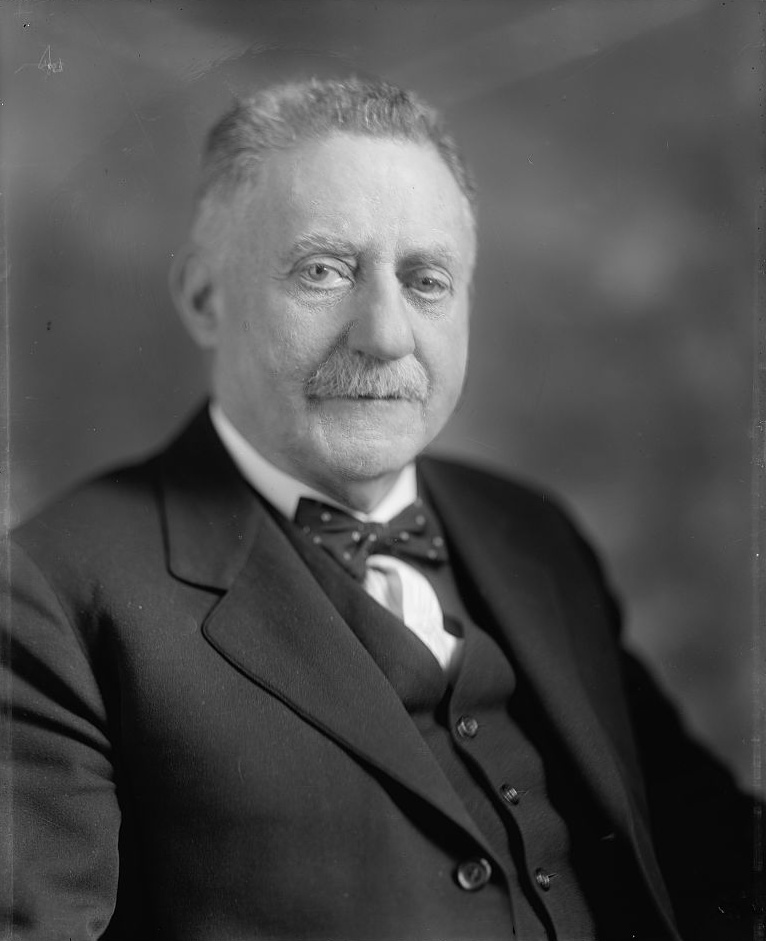
Simon Bamberger
U.S.A.

Social Media

Personal Background
Simon Bamberger, born in Germany in 1845, emigrated to the United States at fourteen and later established a garment manufacturing company in St. Louis. He relocated to Utah, where he operated hotels and invested in mining, eventually becoming a millionaire. Bamberger transitioned into public service, serving on the Salt Lake City Board of Education and the Utah State Senate. He was elected governor of Utah in 1916, during which he implemented progressive reforms in education, public health, and labor rights. After his term, Bamberger returned to managing his business interests, including the development of the Bamberger Railroad and the establishment of Lagoon, a large amusement park.
Political Ideas
Simon Bamberger's political career is marked by a blend of progressive economic reforms and unexpected policy stances that defy conventional categorization. His advocacy for industry regulation and labor rights, coupled with his establishment of a public utilities commission, suggests a nuanced approach to governance that balances corporate interests with public welfare. Notably, Bamberger's support for statewide Prohibition and a mine tax, despite personal financial losses, highlights a principled stance that transcends typical partisan divides. His establishment of a Jewish agricultural colony in Clarion, Utah, influenced by the Zionist movement, further underscores a commitment to diverse community interests.