Styles Bridges
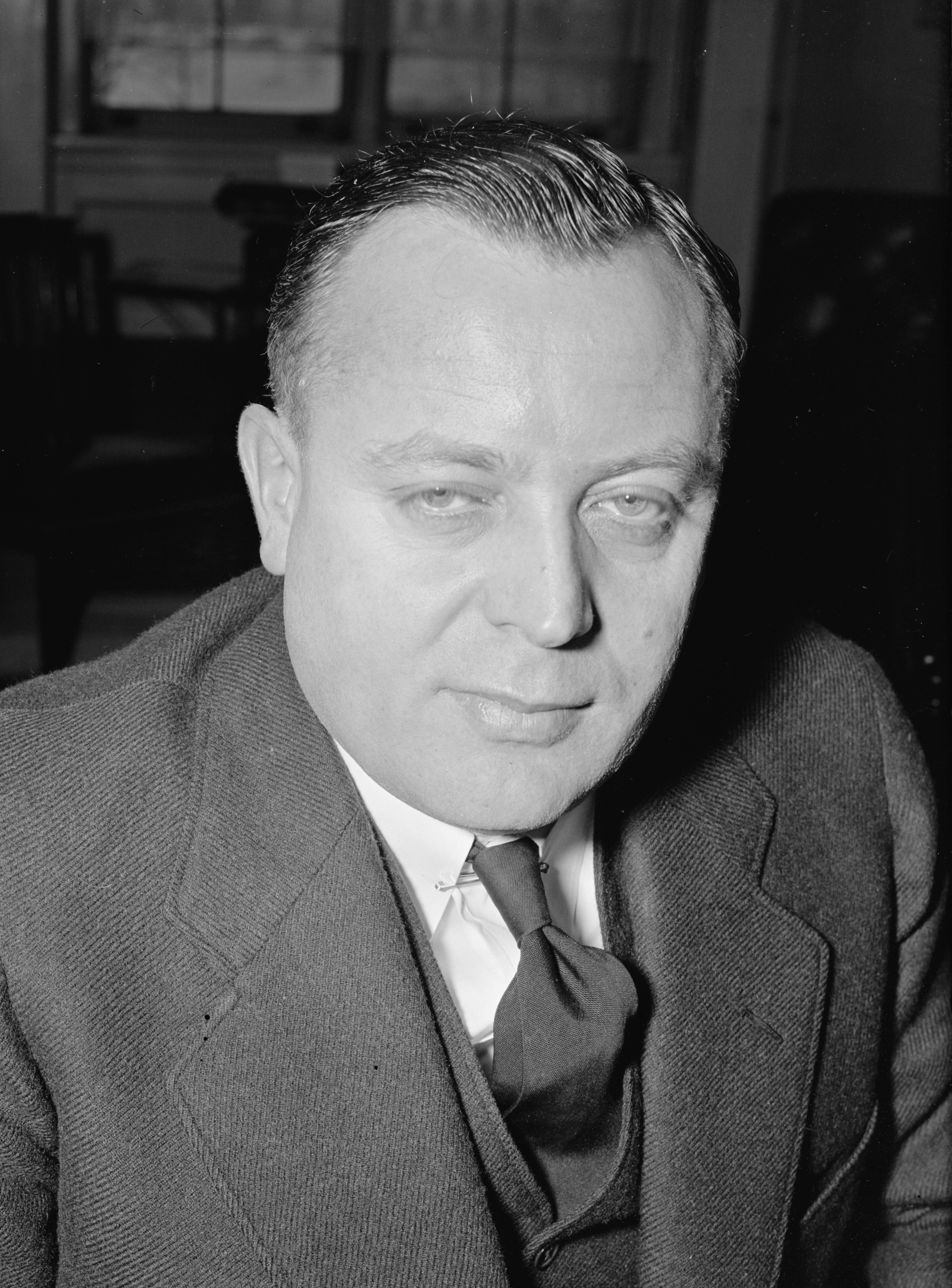
Styles Bridges
U.S.A.

Social Media

Personal Background
Styles Bridges attended the University of Maine at Orono and began his career as an instructor at Sanderson Academy. He later held various roles in education, including membership on the extension staff of the University of New Hampshire and secretarial duties for the New Hampshire Farm Bureau Federation. Bridges gained significant experience in finance and public service as editor of the Granite Monthly Magazine and director of the New Hampshire Investment Corporation. He transitioned to public service as a member of the New Hampshire Public Service Commission before being elected governor of New Hampshire, becoming the nation's youngest governor. His career in public service included numerous leadership roles in the Senate, including chairman of multiple committees and Senate Minority Leader.
Political Ideas
Styles Bridges's political identity is marked by an unexpected convergence of ideological positions, particularly his advocacy for the naturalization of Nazi scientists juxtaposed with his cautious stance on civil rights. His legislative record reveals a highly calculated approach to protecting regional industrial interests, as evidenced by his support for the naturalization of Nazi scientists while voting present on the Civil Rights Act of 1957. This conceptual tension invites deeper inquiry into how Bridges reconciles these seemingly disparate policy stances.