Theodore G. Bilbo
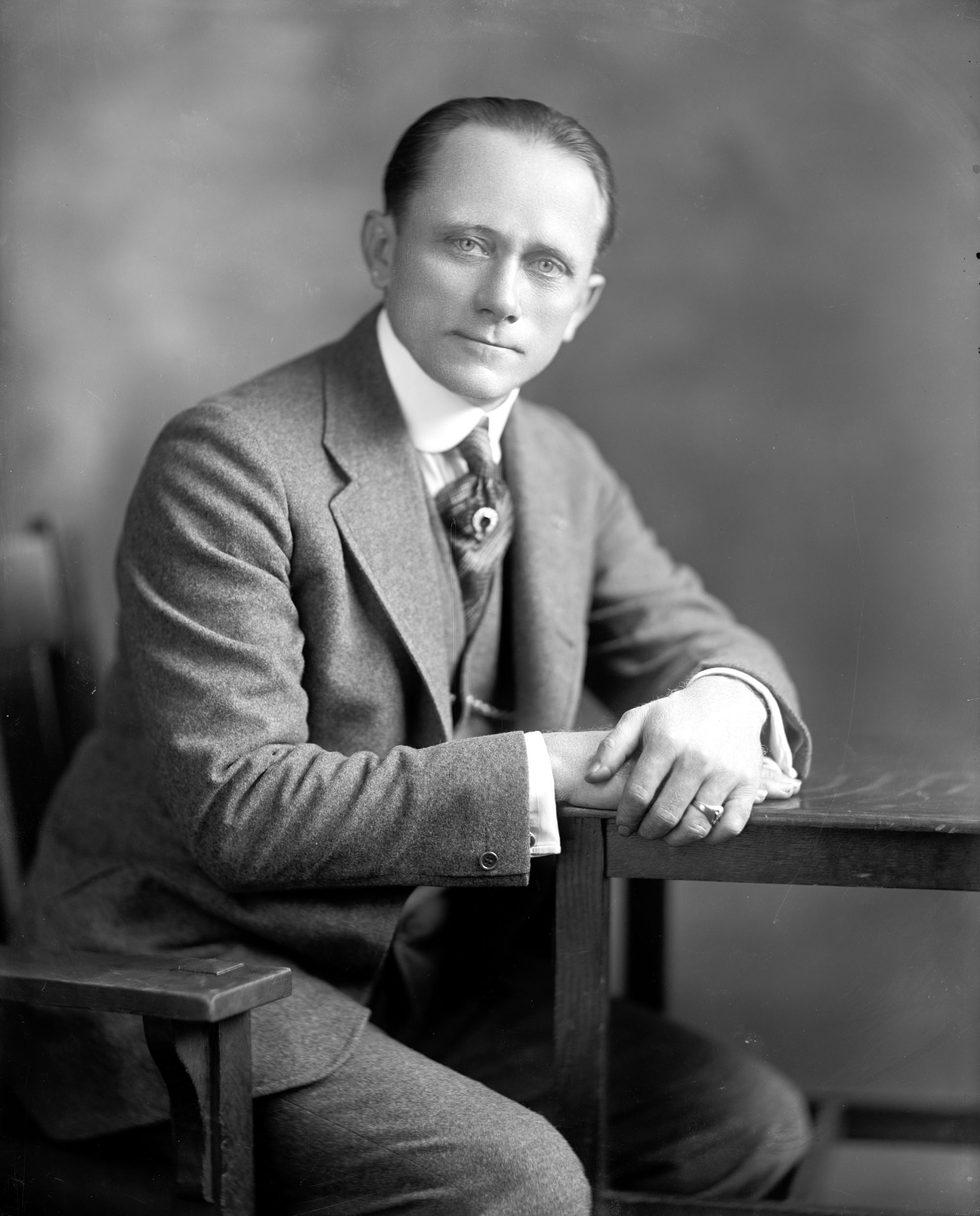
Theodore G. Bilbo
U.S.A.

Social Media

Personal Background
Theodore G. Bilbo began his career in education, attending Peabody Normal College and Vanderbilt University Law School. He transitioned into law, practicing in Mississippi after being admitted to the bar in 1906. Bilbo's early political career included serving in the Mississippi State Senate and as Lieutenant Governor, followed by two terms as Governor of Mississippi, where he implemented significant educational and public works reforms. Despite controversies, he returned to the governorship later, proposing controversial measures such as relocating the University of Mississippi and dismissing faculty members. Bilbo later served in the U.S. Senate, where he chaired key committees and proposed radical resettlement policies for African Americans. His career was marked by significant shifts in policy stances and notable controversies.
Political Ideas
Theodore G. Bilbo's political identity is marked by a stark racial conservatism intertwined with an unpredictable ideological evolution. Bilbo's advocacy for segregation and white supremacy, coupled with his proposal to resettle 12 million African Americans, underscores his deeply entrenched racial views. However, his initial support for New Deal policies, followed by a pro-business, anti-labor stance, reveals an ideologically fluid approach. His unexpected convergence with opposing factions on certain issues, such as his support for compulsory school attendance and public works, juxtaposed with his dismissal of faculty members and suspension of degree recognition, highlights a highly localized and sometimes contradictory policy framework.