Thomas Bennett Jr.
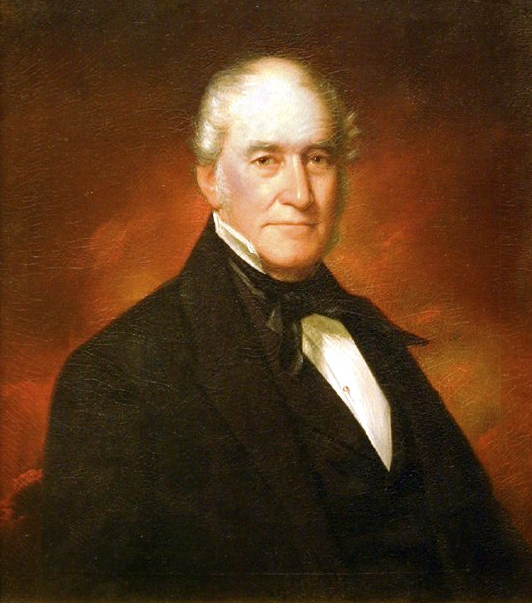
Thomas Bennett Jr.
U.S.A.

Social Media

Personal Background
Thomas Bennett Jr. was born into an upper-class family in Charleston in 1781. He received his education at the College of Charleston and early in his career, he partnered with his father in the lumber and rice milling industry. Bennett held multiple political positions, including serving several terms in the South Carolina House of Representatives and four years as Speaker of the House. He also served as Governor of South Carolina and later as a state senator. His professional expertise and leadership capabilities were demonstrated through his construction of a notable house in Charleston and his critical stance on the interstate domestic slave trade.
Political Ideas
Thomas Bennett Jr.'s political career is marked by a blend of traditional conservatism and surprising progressive stances, particularly on the slave trade. His denunciation of the interstate domestic slave trade while serving as governor contrasts with his upper-class background, suggesting a nuanced approach to economic and moral issues. Bennett's critique of the secretive court proceedings during the Denmark Vesey conspiracy highlights his commitment to transparency and due process, even when it challenges the status quo. His ideological agility and willingness to diverge from typical elite viewpoints make his political identity both unique and thought-provoking.