Thomas Brown
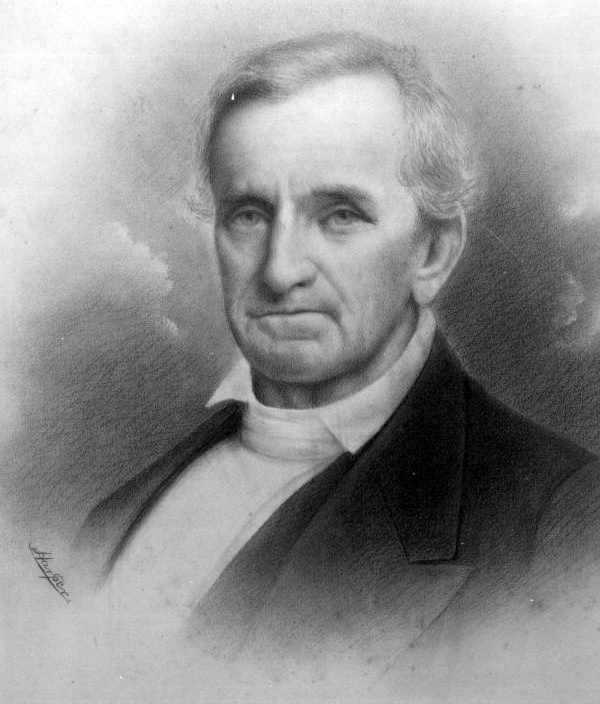
Thomas Brown
U.S.A.
Social Media

Personal Background
Thomas Brown was born in Westmoreland County, Virginia, in 1785. He served in the War of 1812 and later became chief clerk of the post office at Richmond, where he invented the post office letter box. Brown moved to the Florida Territory in 1828, where he held various positions, including auditor and President of the legislative council. He was a member of the constitutional convention and the first Florida House of Representatives before serving as Florida's second Governor from 1849 to 1853. During his tenure, Brown signed a bill providing public support to higher education and focused on improving Florida's transportation system.
Political Ideas
Thomas Brown's political identity is marked by an intriguing blend of regional economic development and educational advocacy, often surprising given his era. His legislative efforts in higher education funding suggest a forward-thinking approach to regional growth, while his focus on improving Florida's transportation system reveals a commitment to practical infrastructure. Brown's stance on the Seminole conflict, balancing protection for settlers with an acknowledgment of native rights, adds another layer of complexity to his ideological positioning. His long-standing involvement in Freemasonry further indicates a deeply rooted commitment to community and social structures.