Thomas Burke
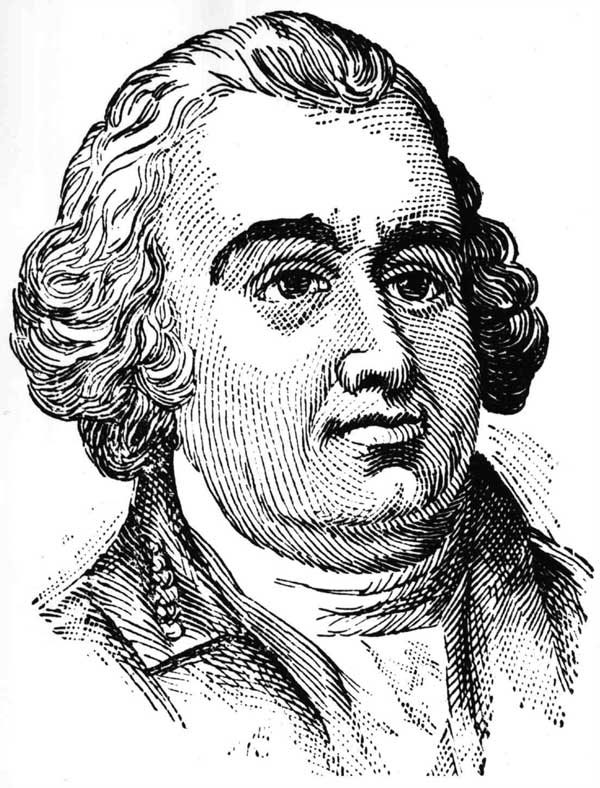
Thomas Burke
U.S.A.

Social Media

Personal Background
Thomas Burke was born in Ireland around 1747 and emigrated to Virginia in 1764, where he practiced medicine before studying law and establishing a legal practice in Norfolk, Virginia. He relocated to North Carolina in the late 1760s and became involved in provincial politics, participating in the Fifth North Carolina Provincial Congress in 1776. Burke was chosen as a delegate to the Second Continental Congress in December 1776 and later served as governor of North Carolina from 1781 until his capture by British forces in September 1781. After escaping imprisonment in January 1782, he returned to North Carolina but did not seek re-election as governor. Burke's career highlights his commitment to public service and leadership in the early American political landscape.
Political Ideas
Thomas Burke's political identity is marked by a blend of ideological adaptability and regional advocacy. He initially championed states' rights but moderated his stance by 1781, revealing a nuanced approach to federalism. Burke's support for the militia underscores a commitment to local defense mechanisms, yet his Catholic faith in a discriminatory era suggests a broader, more inclusive vision for religious tolerance. His life story, from Irish immigrant to influential Continental Congress delegate, hints at a deeply rooted, yet flexible, political philosophy.