Thomas C. Browne
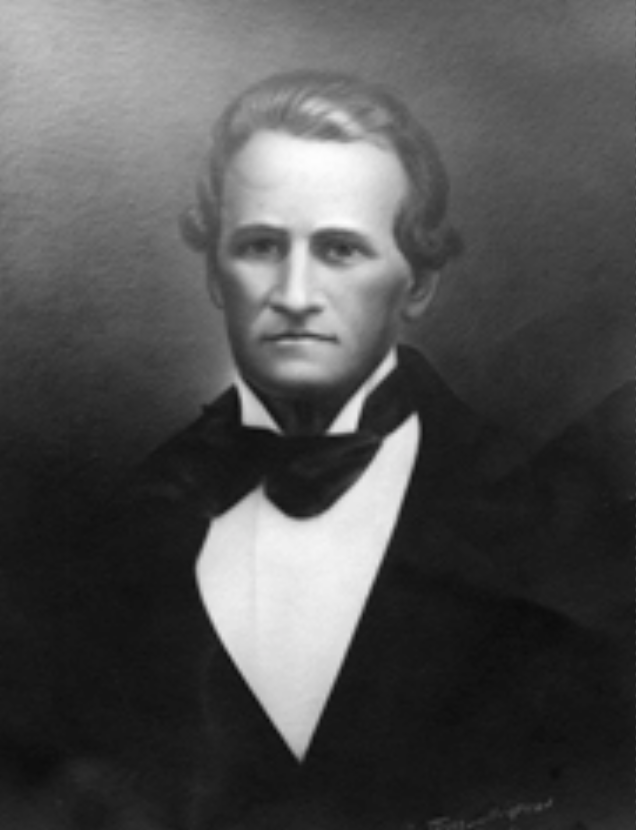
Thomas C. Browne
U.S.A.

Social Media

Personal Background
Thomas C. Browne, born in Kentucky in 1792, established a notable career in Illinois public service. He began his political journey by being elected to the Legislature of the Illinois Territory in 1814, subsequently serving in the Legislative Council. Browne's judicial expertise was recognized with his appointment to the Illinois Supreme Court in 1818, a position he held through multiple re-appointments. Despite facing accusations of incompetence in 1843, his career continued to evolve with significant judicial assignments, including service in the 6th Judicial Circuit. Browne's professional trajectory highlights his extensive experience in both legislative and judicial capacities within Illinois.
Political Ideas
Thomas C. Browne's political identity is shaped by a blend of judicial acumen and strategic resilience. His career juxtaposes significant judicial appointments with a controversial period of accusations and subsequent exoneration, defended by Abraham Lincoln. Browne's legislative record shows an unexpected convergence with opposing factions on environmental regulations, revealing a highly calculated approach to protecting regional industrial interests. This blend of judicial and legislative maneuvers suggests Browne operates with a distinctive, ideologically agile strategy.