Thomas Carlin
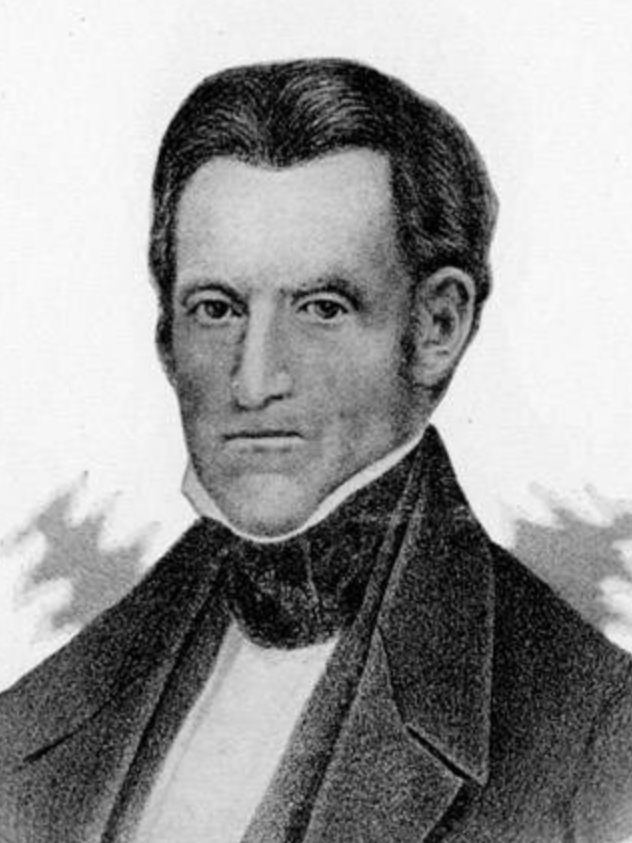
Thomas Carlin
U.S.A.

Social Media

Personal Background
Thomas Carlin, born near Frankfort, Kentucky, around 1789, established a robust foundation in public service and leadership. After moving to the Illinois Territory in 1812, he settled in Madison County and served in various public capacities, including Greene County sheriff and state senator. Carlin's military experience as a militia captain during the Black Hawk War and his federal appointment as Collector of federal funds at Quincy further honed his administrative skills. As Governor of Illinois from 1838 to 1842, he navigated significant financial challenges and controversial decisions, including the mid-term relocation of the state capital from Vandalia to Springfield. Post-governorship, Carlin returned to farming and continued to engage in state politics, running for Congress and serving in the Illinois House of Representatives.
Political Ideas
Thomas Carlin's political identity is marked by a blend of progressive infrastructure ambitions and staunch opposition to federal financial institutions. His support for the Internal Improvements Act, coupled with his desire for state ownership of railroads, reveals an ideologically ambitious approach to economic development. However, his financial policies, such as blaming the state bank for economic woes and opposing monopolies, show a surprising alignment with more conservative fiscal principles. Carlin's involvement with the Church of Jesus Christ of Latter-day Saints, from signing a charter for Nauvoo to later participating in Joseph Smith's arrest, adds another layer of complexity to his ideological stance.