Thomas Cushing
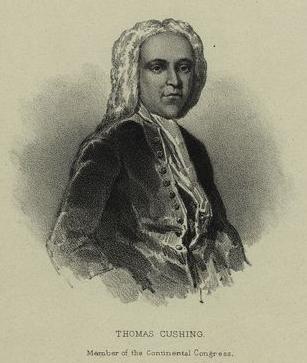
Thomas Cushing
U.S.A.

Social Media

Personal Background
Thomas Cushing graduated from Harvard in 1744 and studied law, entering the family merchant business. He held early political roles, including serving as a Boston selectman and in the general court. Cushing transitioned from a moderate stance to a pro-independence position during the American Revolution, participating in the Continental Congress and corresponding with Benjamin Franklin. Post-war, he held significant state roles, including President of the Massachusetts Senate and Lieutenant Governor, and contributed to the rebuilding of Boston.
Political Ideas
Thomas Cushing's political identity is marked by a strategic blend of early moderation and eventual pro-independence advocacy. His opposition to British taxes reveals a keen economic sensibility, yet his initial reluctance to join the Committees of Correspondence shows a cautious approach to radical change. Cushing’s involvement in the Hutchinson Letters scandal and his subsequent shift towards a pro-independence stance illustrate an ideologically agile politician, adept at navigating shifting political landscapes. His role in stabilizing the Continental dollar, despite its failure, highlights an experimental approach to economic policy.