Thomas H. Moodie
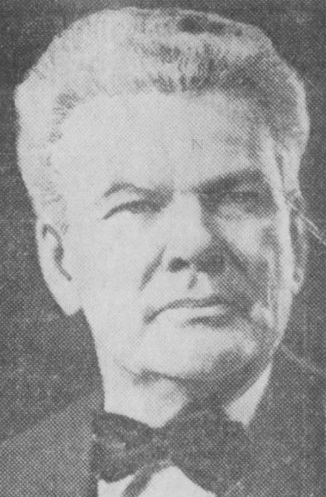
Thomas H. Moodie
U.S.A.

Social Media

Personal Background
Thomas H. Moodie began his career in journalism and transitioned into public service and administration. He started as a newspaperman in Minnesota and North Dakota, gaining experience as a printer, reporter, editor, and editorial writer. Moodie also worked as a brakeman for the Northern Pacific Railroad before moving into federal roles. He was appointed to a committee on federal grants to public buildings by President Franklin D. Roosevelt in 1933 and later served as an administrator for the Works Progress Administration from 1935 to 1943. Despite a brief tenure as the governor of North Dakota, which ended due to residency issues, Moodie continued his public service as an administrator for the North Dakota Federal Housing Administration and the State War Finance Committee in Montana.
Political Ideas
Thomas H. Moodie's career trajectory from newspaperman to high-level New Deal administrator reveals a uniquely adaptive political identity. Despite his brief and tumultuous tenure as governor of North Dakota, Moodie's involvement in federal programs like the WPA and his work on federal grants suggest a strategic focus on regional economic uplift. His unexpected involvement in war finance committees hints at a broader, perhaps less conventional, approach to public service. Moodie's rhetorical style likely balances regional concerns with federal objectives, making him a figure of calculated pragmatism in an era of significant national transformation.