Thomas Holliday Hicks
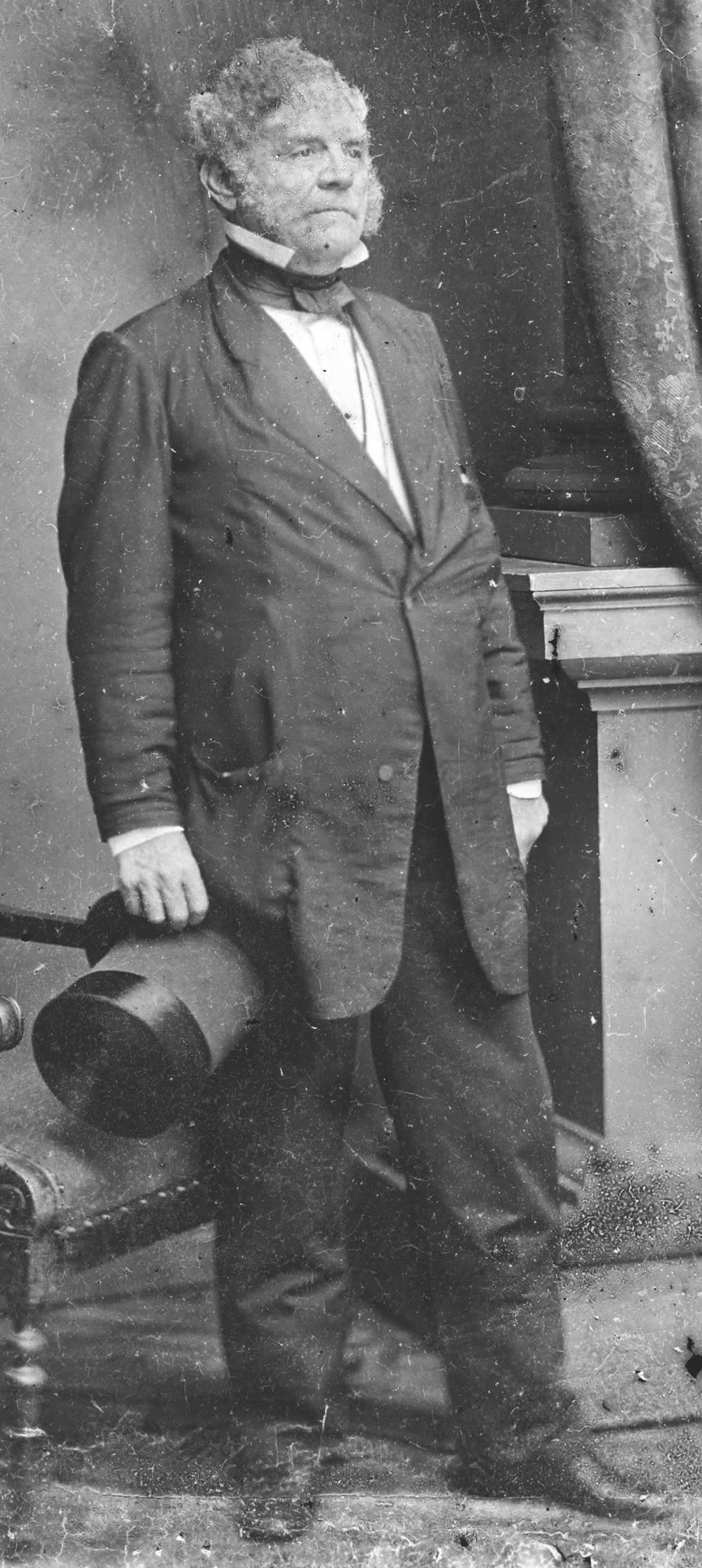
Thomas Holliday Hicks
U.S.A.
Social Media

Personal Background
Thomas Holliday Hicks began his career in public service with early positions in local governance, including serving as Sheriff of Dorchester County and a member of the House of Delegates. He transitioned to state-level leadership roles, culminating in his election as Governor of Maryland. Hicks' professional expertise is characterized by his management of Maryland's delicate position during the Civil War, advocating for neutrality while eventually supporting the Union. His career also included significant federal service, marked by his appointment and election to the U.S. Senate.
Political Ideas
Thomas Holliday Hicks's political identity is marked by his nuanced stance on slavery and secession, reflecting Maryland's complex position as a border state. His early criticism of foreign immigrants and support for slave owners juxtapose with his later advocacy for a neutral Maryland during the Civil War. Hicks's legislative actions, such as authorizing the burning of railroad bridges to block Union troops, reveal a strategic approach to protecting regional interests, while his advice to President Lincoln highlights a calculated shift towards Union support. This blend of protectionist measures and evolving wartime alliances underscores a highly localized and adaptive political strategy.