Thomas Johnson
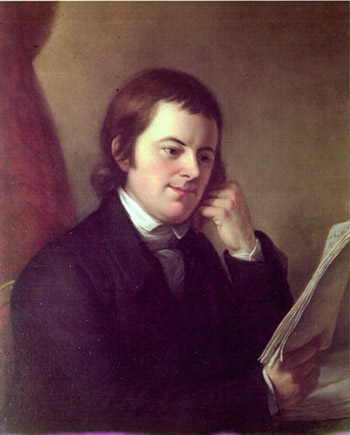
Thomas Johnson
U.S.A.

Social Media

Personal Background
Thomas Johnson, born in 1732 in Calvert County, Maryland, established a robust foundation in law and governance. He was admitted to the Maryland bar in 1753 and quickly became involved in political activities, including serving in the Maryland provincial assembly and supporting the separation from Great Britain. During the Revolutionary War, Johnson held significant roles such as a delegate to the Continental Congress, drafted the Maryland Declaration of Rights, and commanded the Maryland Militia. After the war, Johnson transitioned to federal roles, including serving as the first Governor of Maryland and later as an Associate Justice of the Supreme Court. His contributions to the federal capital's layout and his authorship of the first Supreme Court written opinion further underscore his influence in governance and the judiciary.
Political Ideas
Thomas Johnson's political identity is marked by his strategic blend of revolutionary fervor and pragmatic governance. He supported the separation from Britain while simultaneously advocating for equitable Potomac River regulations between states. Johnson's involvement in manufacturing ammunition for the revolution and his role in establishing federal land acquisition rights through Johnson v. McIntosh reveal a calculated approach to balancing regional and national interests. His brief tenure on the Supreme Court and authorship of its first written opinion further illustrate his commitment to shaping the new nation's legal framework.