Thomas McKean
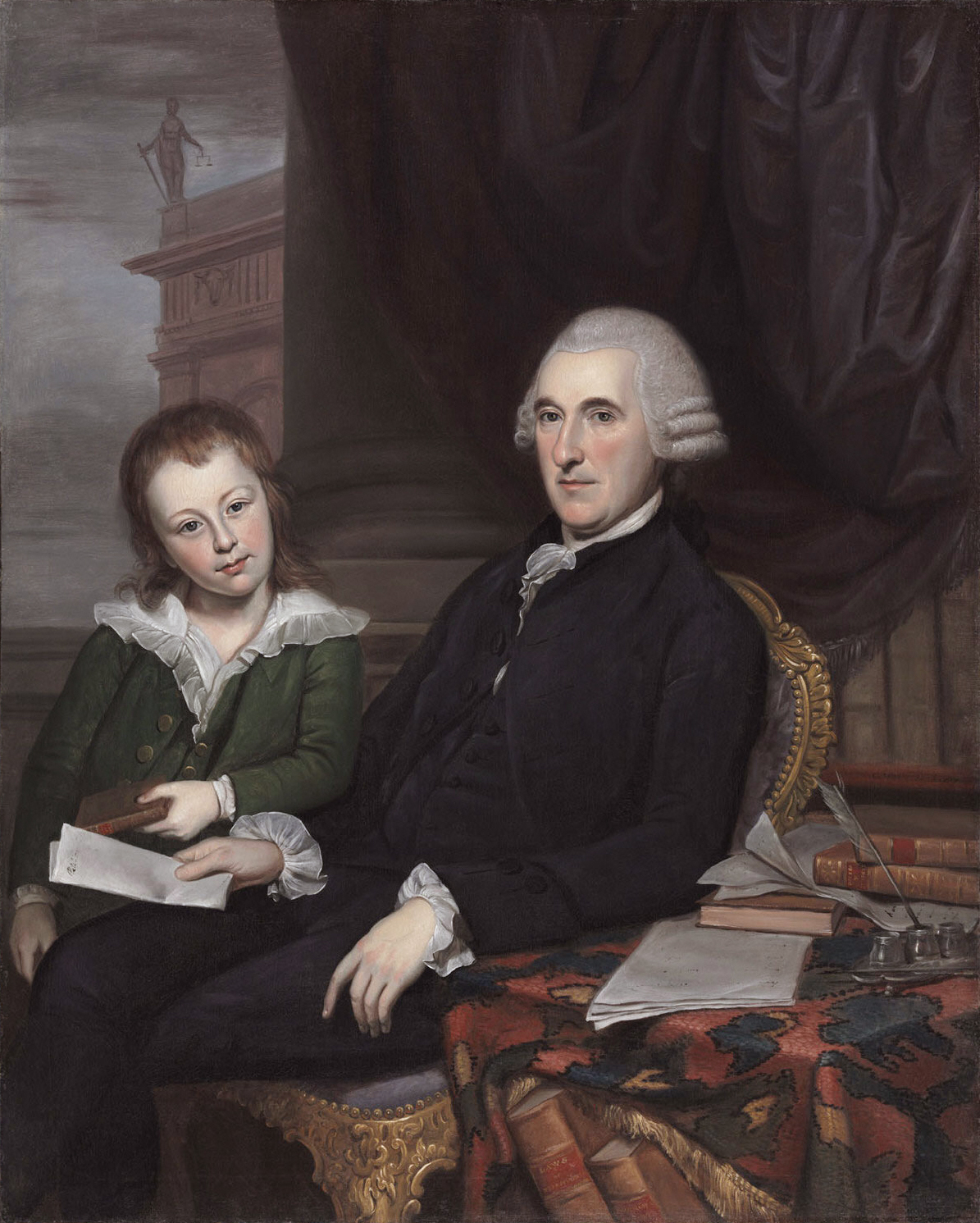
Thomas McKean
U.S.A.

Social Media

Personal Background
Thomas McKean completed his studies in the mid-18th century and was admitted to the bar, establishing a legal career. He held various judicial positions, including deputy attorney general and judge of the Court of Common Pleas. McKean served in multiple legislative capacities, culminating in his role as a delegate to the Continental Congress and a vote for the Declaration of Independence. He also drafted the Delaware Constitution and served as president of Delaware and Congress. McKean's tenure as chief justice of Pennsylvania saw him pioneering judicial reforms and expanding legal rights. Later, he became governor of Pennsylvania, where he promoted free education.
Political Ideas
Thomas McKean's political philosophy is marked by a calculated blend of judicial rigor and regional advocacy, revealing a nuanced approach to governance. He championed American independence and was instrumental in drafting the Declaration of Independence and Delaware Constitution, yet his judicial reforms prioritized efficiency over social equity. McKean's ideological journey from Federalist to Jeffersonian Republicanism highlights his ability to adapt his stances to serve practical needs. His tenure as governor saw significant educational reforms, but his judicial career exhibited a reluctance to embrace broader social changes. This juxtaposition of progressive and conservative elements within McKean's career invites deeper examination into his motivations and strategic priorities.