Thomas Mifflin
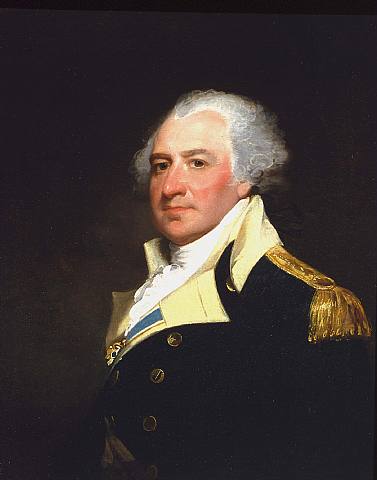
Thomas Mifflin
U.S.A.

Social Media

Personal Background
Thomas Mifflin graduated from the College of Philadelphia and engaged in the mercantile business before establishing a commercial partnership with his brother. He served in the Continental Army, rising to the rank of major general and holding the position of quartermaster general. Mifflin held various roles in the Continental Congress and was a delegate to the Constitutional Convention. He served as the president of the Supreme Executive Council of Pennsylvania and later as the state's first governor, managing significant crises during his tenure.
Political Ideas
Thomas Mifflin's political identity is marked by a complex blend of military pragmatism and ideological rigidity. His tenure as quartermaster general during the Revolutionary War, marred by controversy over troop supply failures, reveals a tension between operational efficiency and accountability. Mifflin's role in the Continental Congress and his participation in drafting Pennsylvania's state constitution show a commitment to structured governance, yet his expulsion from the Religious Society of Friends for joining the military hints at a willingness to challenge traditional norms. His governorship, navigating significant crises like the Whiskey Rebellion, underscores a calculated approach to maintaining order while balancing regional interests.