Thomas S. Drew
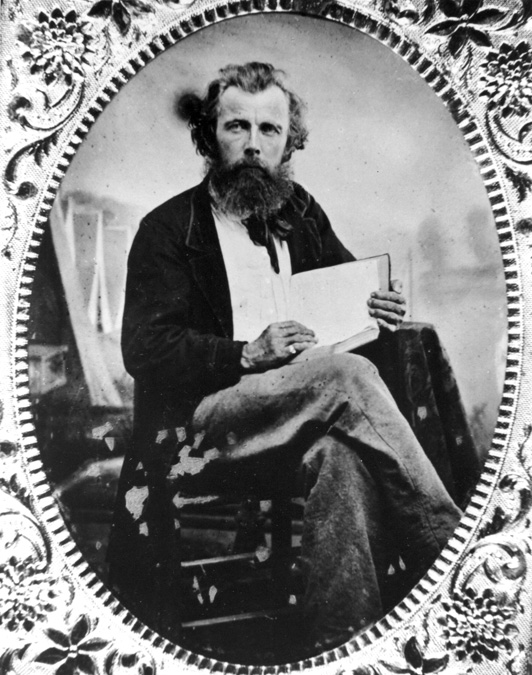
Thomas S. Drew
U.S.A.

Social Media

Personal Background
Thomas S. Drew relocated to Arkansas in the early 19th century, establishing a career marked by public service and leadership. He served as Clark County Clerk and later as county judge of Lawrence County. Drew played a pivotal role in the creation of Randolph County and facilitated its establishment as the county seat. His tenure as Governor of Arkansas was characterized by efforts to enhance financial solvency, recognize women's property rights, and declare Thanksgiving a state holiday. Drew's leadership also extended to managing internal conflicts, such as dispatching a militia to end the Tutt-Everett War.
Political Ideas
Thomas S. Drew's political identity is marked by a blend of traditional conservatism and progressive social reforms. His commitment to financial solvency and credit repair underscores a classic fiscal responsibility, yet his pioneering stance on Thanksgiving as a state holiday and women's property rights in marriage reveals an unexpected progressive streak. Drew's intervention in the Tutt-Everett War with a militia highlights a firm approach to law and order, yet his strategic timing and methods suggest a nuanced understanding of regional dynamics. These conceptual tensions and policy combinations compel further exploration into his ideological agility and regional strategic thinking.