Thomas Swann
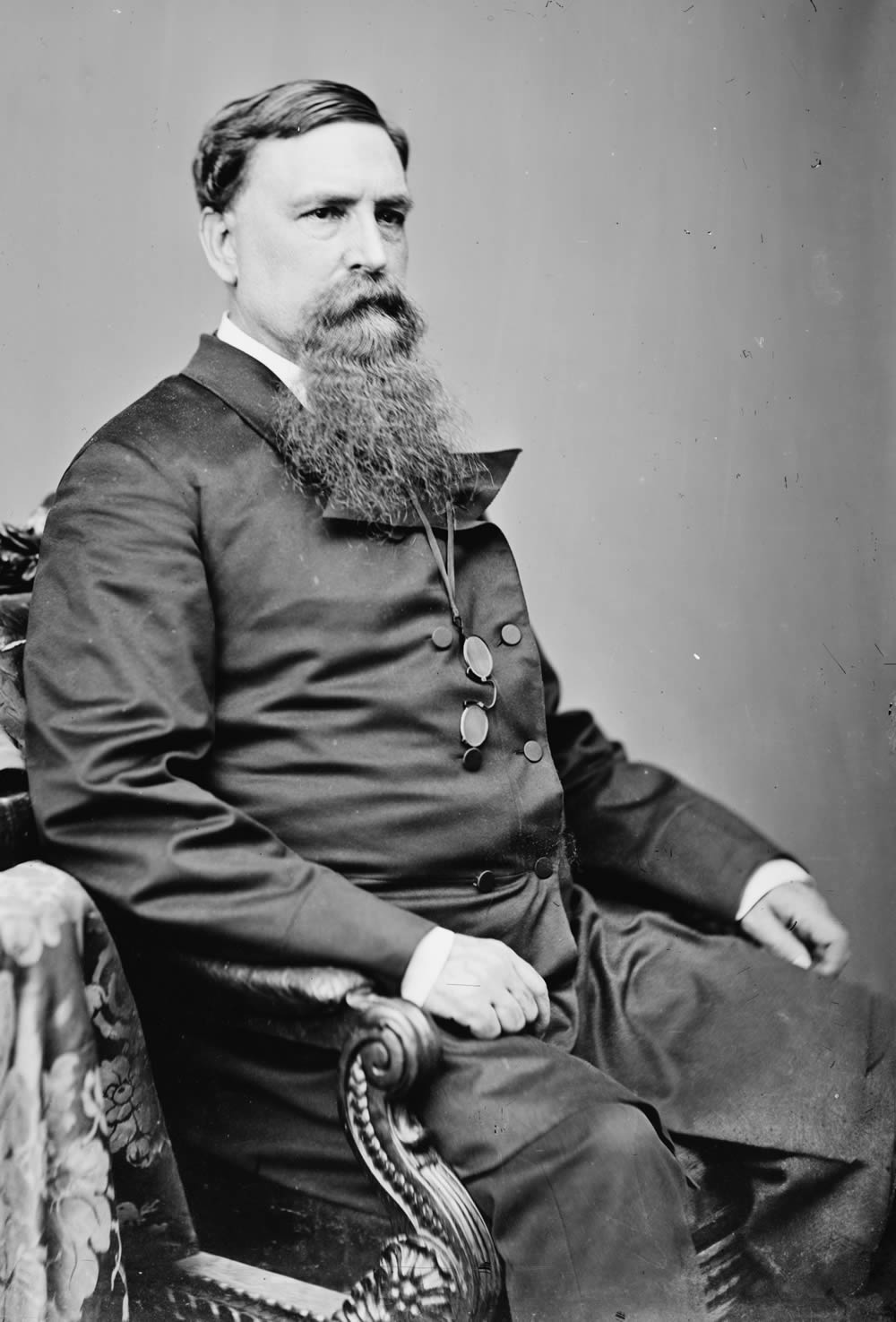
Thomas Swann
U.S.A.
Social Media

Personal Background
Thomas Swann was born into a prominent legal family in Alexandria, Virginia, and pursued higher education at Columbian College and the University of Virginia. He began his career in public service, appointed by President Andrew Jackson, and later transitioned to railroad law in Baltimore, Maryland. Swann played a pivotal role in the expansion of the Baltimore and Ohio Railroad, securing significant extensions and market access. His leadership as Mayor of Baltimore included modernizing urban infrastructure and public services. Swann later served as Governor of Maryland, focusing on state infrastructure and emancipation efforts. He concluded his career in Congress, where he chaired the Committee on Foreign Affairs.
Political Ideas
Thomas Swann's political identity is marked by a blend of economic pragmatism with a surprising flexibility on civil rights, particularly regarding slavery. While his early career was steeped in railroad development and infrastructure, Swann's ideological shifts—from opposing immediate emancipation to supporting it post-Civil War—reveal a highly calculated approach to regional stability and economic interests. His governance style, characterized by significant urban modernization efforts in Baltimore, contrasts with his conservative stance on Reconstruction policies, showcasing a nuanced and sometimes contradictory political strategy.