Thomas Walter Bickett
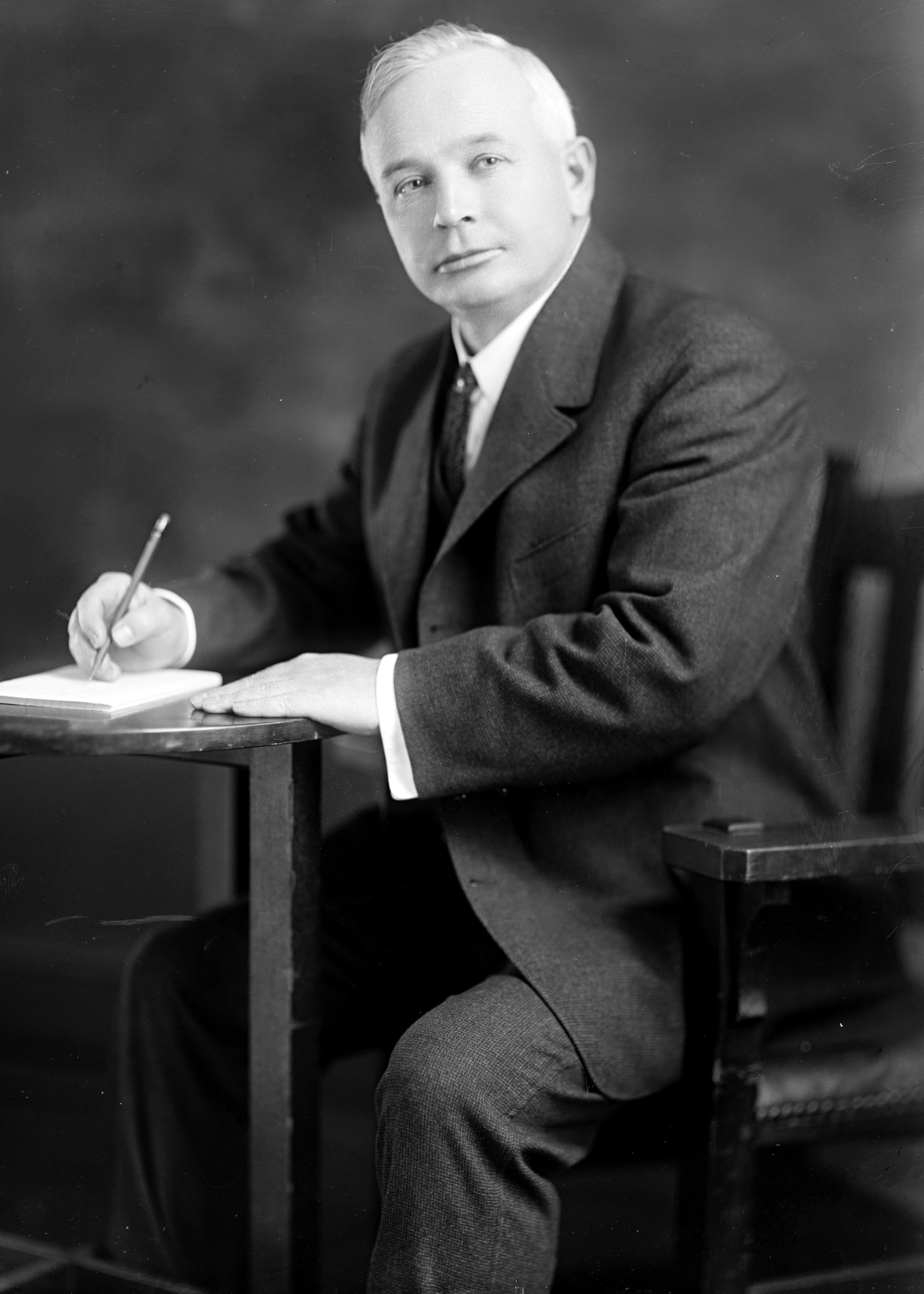
Thomas Walter Bickett
U.S.A.

Social Media

Personal Background
Thomas Walter Bickett graduated from Wake Forest College and practiced law in Louisburg prior to his political career. He represented Franklin County in the North Carolina General Assembly and served as the state's Attorney General from 1909 to 1917. Bickett was elected as the 54th governor of North Carolina in 1917, during which he implemented significant reforms in child welfare, public health, and infrastructure, including the establishment of the state's first income tax. He also led the state through World War I and was governor when women gained the right to vote.
Political Ideas
Thomas Walter Bickett's political identity is marked by a blend of progressive social reforms and fiscal conservatism. He championed child welfare and public health improvements while simultaneously introducing the state's first income tax. Bickett's tenure during World War I and the suffrage era reveals a strategic balancing act between modernizing governance and addressing immediate wartime and social needs. His approach suggests an ideological agility that navigates between progressive reforms and fiscal responsibility, leaving one curious about how he reconciles these seemingly disparate priorities.