Tom Berry
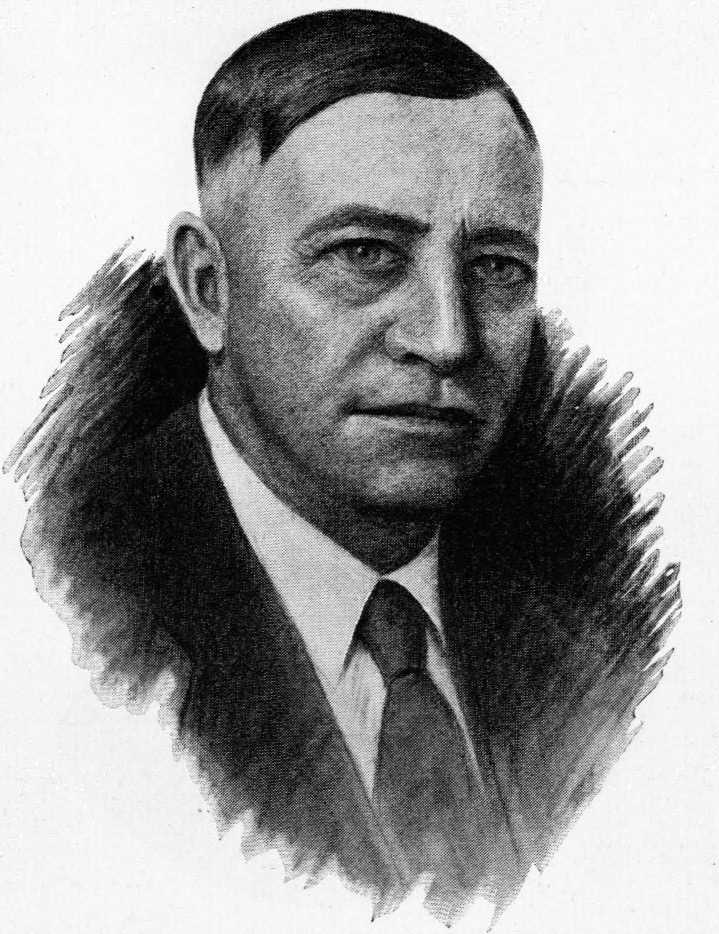
Tom Berry
U.S.A.

Social Media

Personal Background
Tom Berry was born in 1879 in Nebraska and later moved to South Dakota, where he established a significant political career. He served in the South Dakota House of Representatives and was elected as the state's governor twice, demonstrating his leadership capabilities and political acumen. Berry transitioned from state to federal roles, including a stint as director of the Farm Credit Administration, showcasing his expertise in agricultural finance. His career also included unsuccessful bids for U.S. Senate, reflecting his ambition and continued engagement in public service. Berry's contributions to economic policy and agriculture were recognized through his induction into the Hall of Great Westerners.
Political Ideas
Tom Berry's political identity is marked by a blend of progressive economic reforms and traditional agrarian values. His tenure as Federal Relief Administrator and subsequent efforts to secure federal aid during the Great Depression illustrate an ideological agility that marries relief efforts with fiscal responsibility. Berry's unexpected moves, such as abolishing the state property tax and introducing a sales tax, reveal a willingness to disrupt conventional tax structures to better serve his constituents. Additionally, his legalization of 3.2 percent beer and extensive involvement in the Farm Credit Administration showcase a unique policy stance that balances modern economic needs with respect for regional traditions.