Townsend E. Gidley
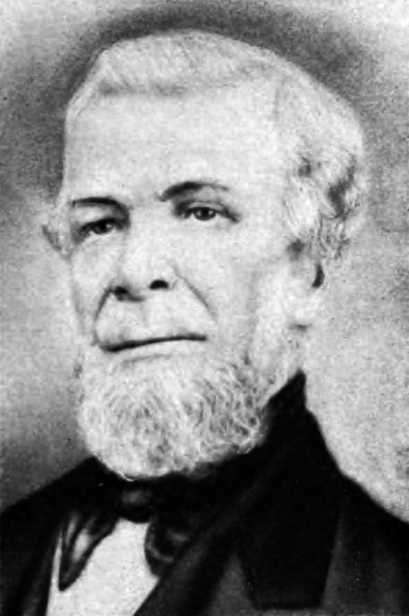
Townsend E. Gidley
U.S.A.

Social Media

Personal Background
Townsend E. Gidley, born in 1805 in Poughkeepsie, New York, established a multifaceted career marked by significant transitions and leadership roles. He pursued formal education in Connecticut and Vermont before apprenticing in 1821. Gidley's early involvement in local militia and a meeting with Marquis de Lafayette in 1824 highlight his engagement in civic and historical affairs. He co-founded a mercantile business in 1823, transitioning to large-scale farming in 1834 and becoming a prominent fruit grower. Gidley's political career began with his election to the Michigan constitutional convention in 1835, where he played a key role in drafting the state's first constitution and opposed non-citizen voting rights. His leadership extended to organizing the Whig Party and using his property as an Underground Railroad stop. Despite a failed bid for Michigan governor in 1851, Gidley remained active until retiring from politics in 1863 due to throat disease.
Political Ideas
Townsend E. Gidley's political identity is marked by an intriguing blend of economic pragmatism and moral conviction. His transition from a successful merchant to a prominent farmer showcases an ideologically agile approach, balancing regional economic interests with principled stands. Gidley's involvement in drafting Michigan's constitution and his opposition to non-citizen voting rights reveal a nuanced stance on civic identity. Furthermore, his property's role in the Underground Railroad underscores a commitment to abolition, contrasting with his otherwise conservative economic policies. This juxtaposition of roles invites deeper inquiry into how Gidley reconciles these seemingly disparate commitments.