W. Murray Crane
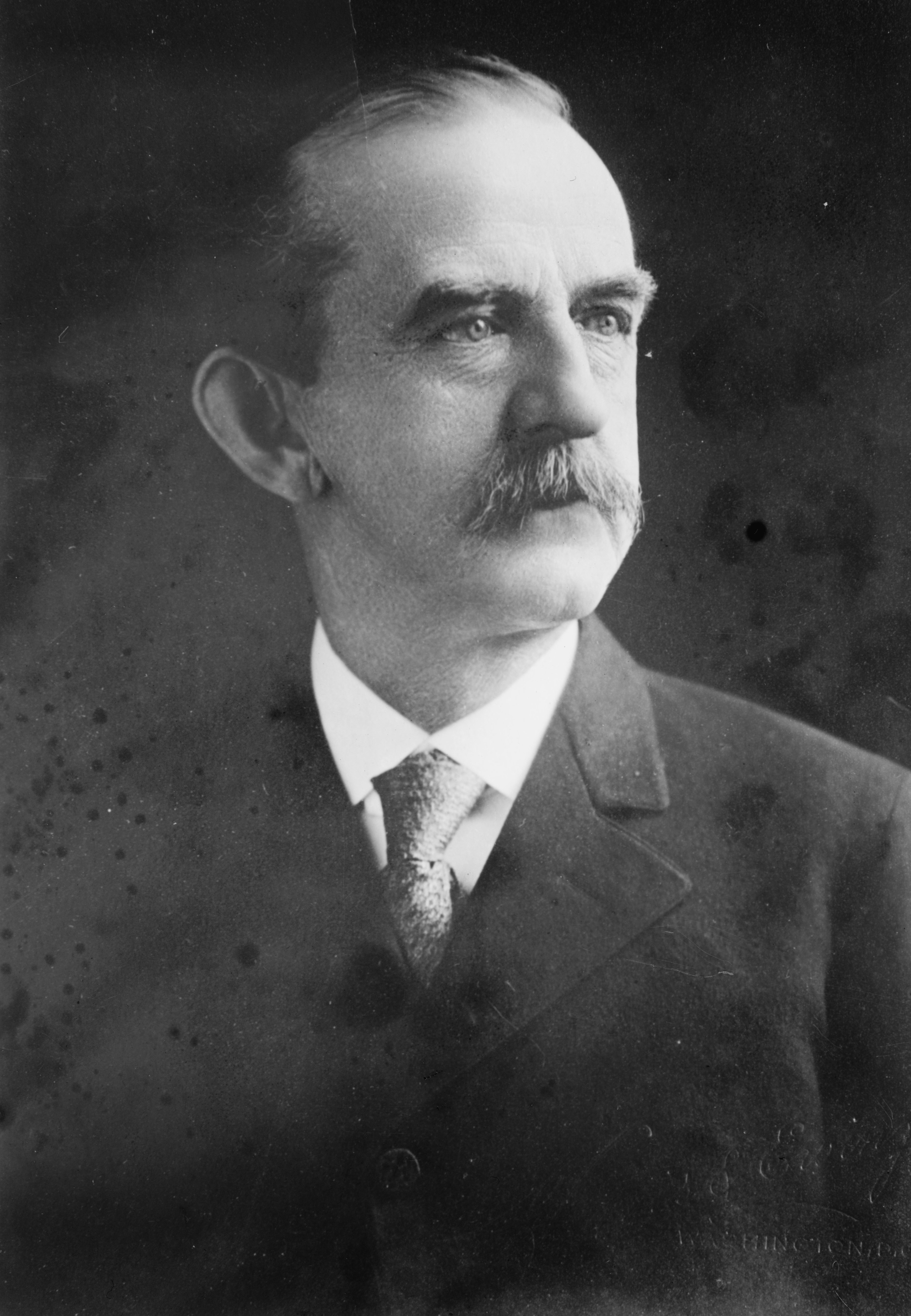
W. Murray Crane
U.S.A.

Social Media

Personal Background
W. Murray Crane has a background rooted in both public service and leadership. He spent several years in state governance, initially serving as Lieutenant Governor of Massachusetts before being elected Governor, a position he held for multiple terms. Crane demonstrated adeptness in managing labor disputes and economic challenges, such as negotiating the 1902 Coal Strike. Transitioning to federal politics, he was appointed to the U.S. Senate, where he exhibited a preference for strategic influence over direct action. His career reflects a blend of fiscal conservatism and pragmatic negotiation skills.
Political Ideas
W. Murray Crane's political career is marked by a blend of fiscal conservatism and strategic maneuvering. His veto of the Boston Elevated Railway and West End Street Railway merger, while authorizing other railroad leases, showcases a nuanced approach to economic regulation. Crane's opposition to reciprocity with Canada, despite potential trade benefits, highlights a protectionist stance. His behind-the-scenes Senate influence and fluctuating support for presidential candidates suggest a calculated, non-linear political strategy.