Wally Hickel
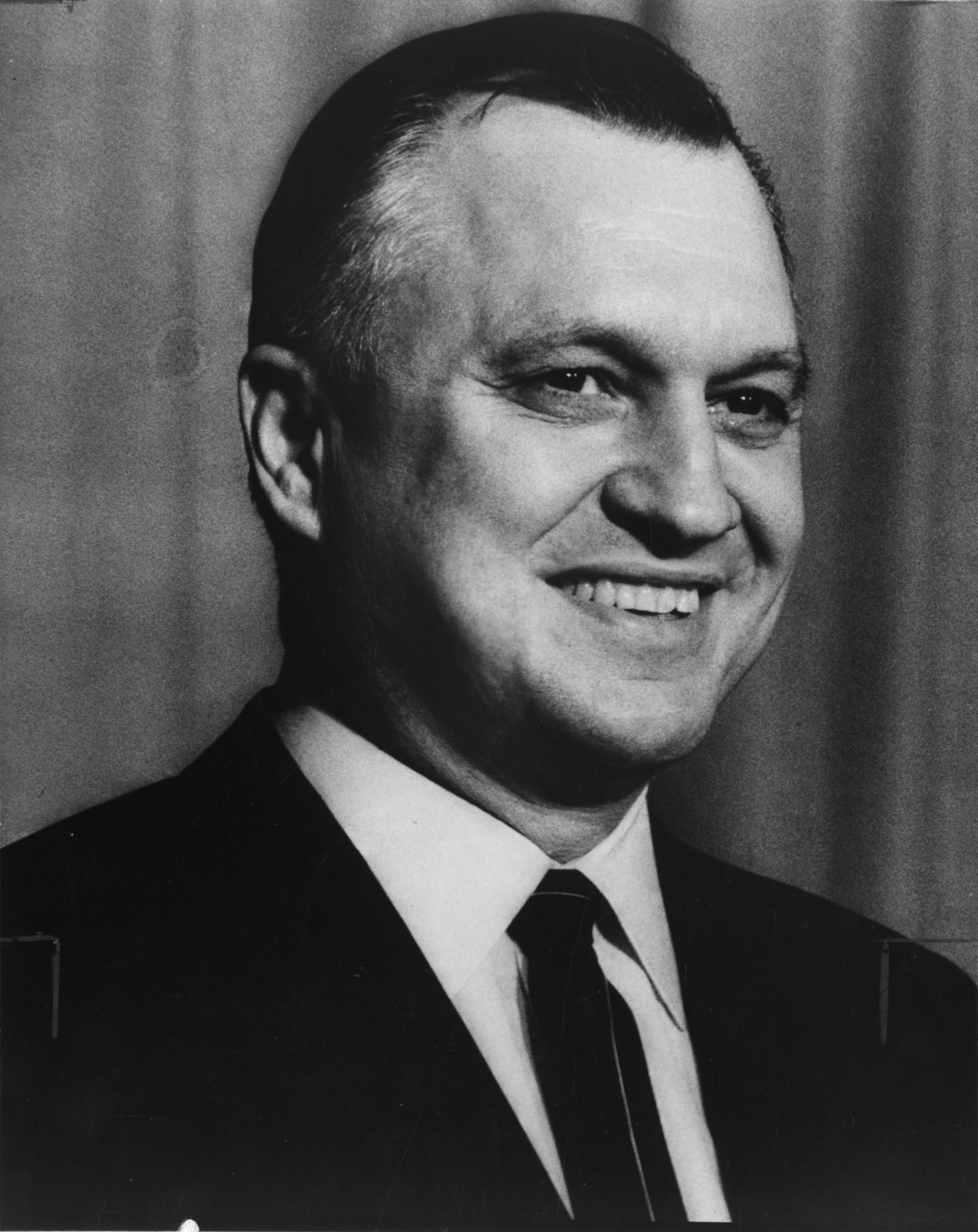
Wally Hickel
U.S.A.

Social Media

Personal Background
Hickel established a successful construction company in Alaska during the late 1940s, laying a foundation for his future business and political endeavors. He transitioned from advocating for Alaskan statehood as a Democrat to leading the Anchorage Republican Club, reflecting a shift in his political alignment and focus. Hickel's business acumen is evidenced by the development of the Hotel Captain Cook, which evolved into a significant landmark in Anchorage. His leadership capabilities were demonstrated through his terms as governor, where he navigated the discovery of major oilfields and later served as U.S. Secretary of the Interior, albeit briefly. Hickel's career highlights a blend of entrepreneurial success, political leadership, and environmental advocacy.
Political Ideas
Wally Hickel's political identity is marked by an intriguing blend of economic pragmatism and environmental stewardship. His early support for oil leases transitioned into a demand for stringent environmental protections, revealing a nuanced approach to resource management. Hickel's advocacy for Alaskan statehood and his later support for a California water pipeline highlight a strategic focus on regional economic interests. His rhetorical style juxtaposes a deep commitment to Alaska's development with a critical stance against federal policies, creating a distinctive ideological footprint.