Walter J. Kohler Sr.
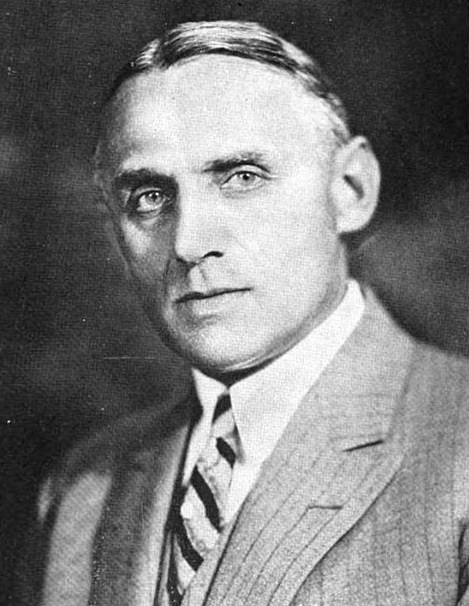
Walter J. Kohler Sr.
U.S.A.

Social Media

Personal Background
Walter J. Kohler Sr. demonstrated early leadership by joining his family's business at 15, eventually taking over the Kohler Company at 30. He expanded the company's product line and introduced innovative employee benefits, including reduced work hours and health insurance. Kohler's business acumen was further evidenced by his strategic pivot to war materials during World War I and his establishment of Kohler Village, a housing initiative for workers. His political career was marked by a gubernatorial campaign emphasizing fiscal responsibility and employee welfare, which he demonstrated through infrastructure development and judicial appointments during his term.
Political Ideas
Walter J. Kohler Sr.'s political identity is shaped by a unique blend of industrial pragmatism and ideological rigidity. He championed "open shop" policies while simultaneously providing above-average employee benefits, revealing a calculated approach to labor relations. Kohler's governance emphasized fiscal responsibility and infrastructure development, yet his violent suppression of the 1934 strike indicates a firm stance against unionization. His business acumen and civic engagement suggest a deeply rooted belief in the power of individual enterprise, even as he navigated complex economic and labor challenges.