Walter R. Peterson Jr.
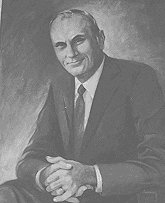
Walter R. Peterson Jr.
U.S.A.

Social Media

Personal Background
Walter R. Peterson Jr. holds a strong educational background, having attended prestigious institutions such as the College of William & Mary, the University of New Hampshire, and Dartmouth College. His professional career includes a significant stint in high-finance, where he managed institutional risk for nearly a decade. Peterson transitioned into public service, where he played a pivotal role in state politics, including serving as House Speaker and managing Senate campaigns. His tenure as governor was marked by notable tax reforms and efforts to modernize state government. Post-politics, Peterson held leadership positions in higher education, including serving as president of Franklin Pierce College and the University of New Hampshire.
Political Ideas
Walter R. Peterson Jr.'s political identity is marked by a blend of fiscal conservatism and progressive social policies, creating a unique ideological tension. His economic strategy, exemplified by the bold tax reform during his governorship, juxtaposes a surprising advocacy for abortion and gay rights, revealing a complex approach to governance. Peterson's legislative record also shows an unexpected alignment with opposing factions on environmental regulations, hinting at a highly calculated strategy to balance industrial interests with broader social reforms.