Webster Flanagan
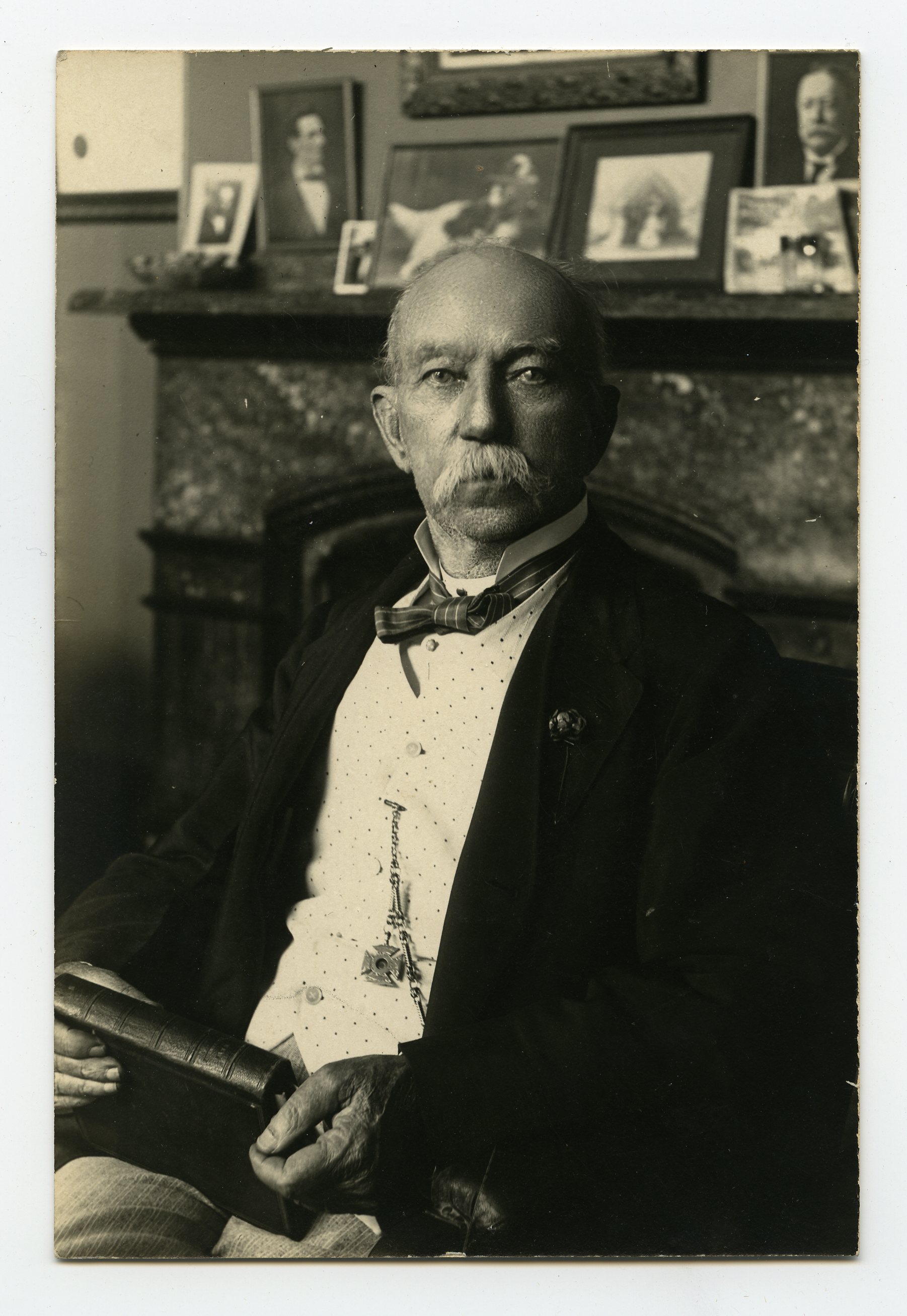
Webster Flanagan
U.S.A.

Social Media

Personal Background
Webster Flanagan was born in 1832 and had a multifaceted career marked by significant contributions to state governance and public service. He was involved in the Texas Constitutional Conventions of 1868-1869 and 1875, reflecting his commitment to shaping state policies. Flanagan's professional trajectory included a period of military service in the Confederate Army post-Civil War and engagement in legal matters, including a notable land dispute. His leadership roles extended to his family life, having married twice and fathering multiple children. Flanagan's political career was characterized by his opposition to certain state police initiatives, as well as his service as a Republican state senator in Texas.
Political Ideas
Webster Flanagan's political identity is marked by a distinctive blend of regionalism and conservatism, particularly evident in his support for dividing Texas into three states. Flanagan's opposition to Governor Edmund Jackson Davis' state police initiatives reveals a highly localized approach to governance, emphasizing regional autonomy over centralized authority. His ideological stances often intersect with opposing factions, suggesting a calculated strategy to balance competing interests. Flanagan's rhetorical style likely emphasizes the preservation of local traditions and the protection of regional economic interests, inviting deeper inquiry into how he reconciles these positions with broader national trends.