Whitemarsh Benjamin Seabrook
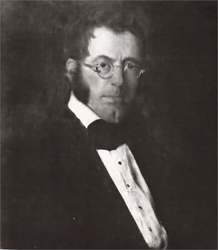
Whitemarsh Benjamin Seabrook
U.S.A.

Social Media

Personal Background
Whitemarsh Benjamin Seabrook was born in 1793 on Edisto Island, where he later returned after his political career. He graduated from the College of New Jersey in 1812, establishing a foundation for his subsequent public service roles. Seabrook spent several years in the South Carolina House of Representatives and Senate, culminating in his election as Lieutenant Governor in 1834. He held a prominent role in passing legislation that restricted black literacy, reflecting his stance on slavery and education. Seabrook also contributed to agricultural policy as President of the South Carolina Agricultural Society and advocated for education reform, albeit with a focus on the middle and lower classes. His writings, including "History of the Cotton Plant" and essays on slavery, further illustrate his engagement with key issues of his time.
Political Ideas
Whitemarsh Benjamin Seabrook's political identity is marked by a striking tension between progressive educational reforms for the lower classes and staunchly regressive measures against Black literacy. His legislative efforts to diversify crops and support agricultural societies contrast sharply with his fervent advocacy for laws restricting the education of enslaved and free Black people. Seabrook's writings further reveal a deeply ideological approach, combining a historical focus on cotton with a dire prognostication for the future of slave-holding states. This juxtaposition invites deeper inquiry into how he reconciles these seemingly disparate policy stances.