Wilbur Lucius Cross
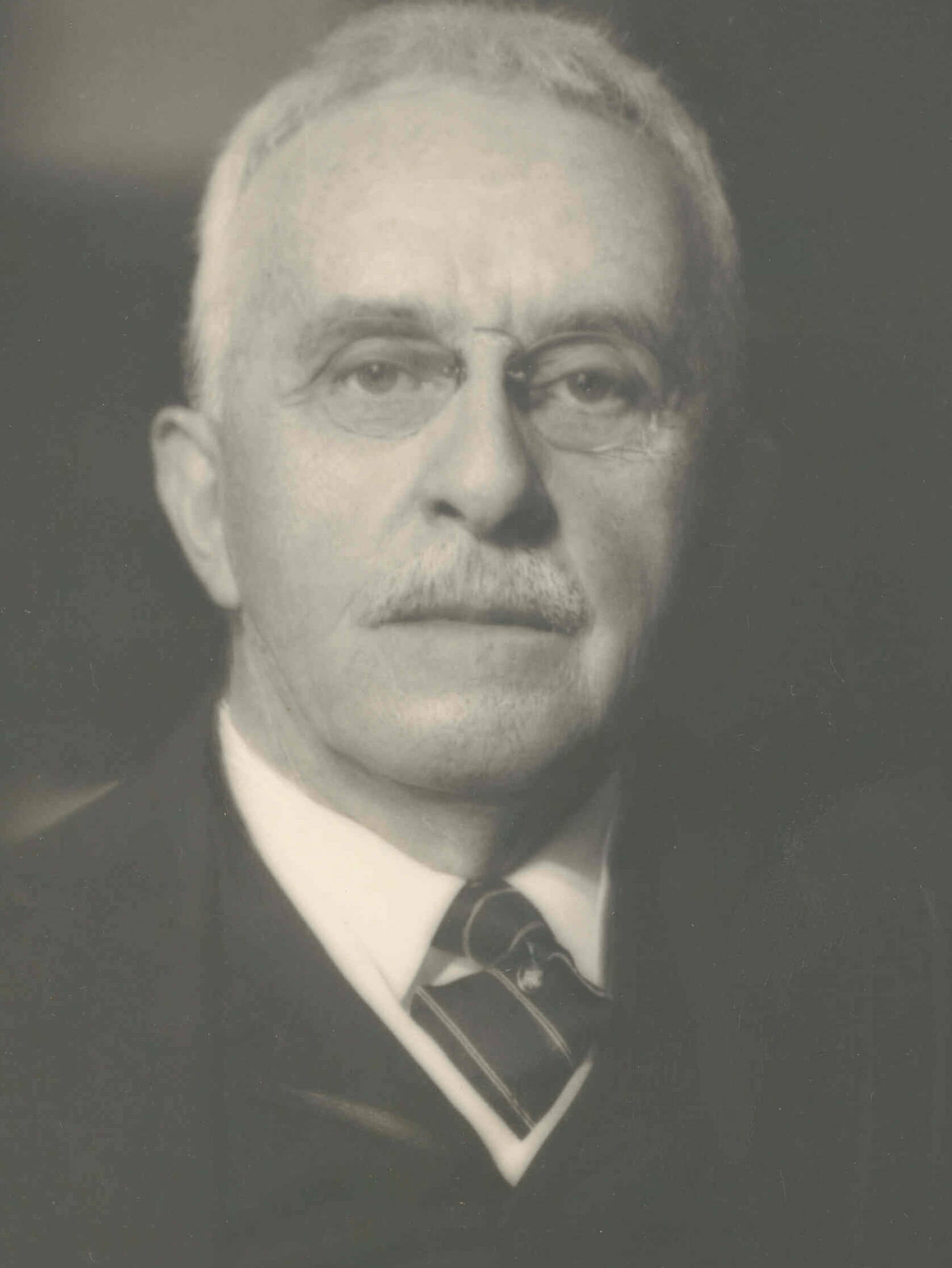
Wilbur Lucius Cross
U.S.A.

Social Media

Personal Background
Wilbur Lucius Cross earned a B.A. from Yale College and later a PhD in English literature from the same institution. He began his career as a high school principal and schoolteacher before becoming a professor of English at Yale. Cross served as Dean of the Yale Graduate School and was appointed Sterling Professor of English. His leadership extended to public service, where he was elected governor of Connecticut for four terms. Cross's tenure was marked by significant educational reforms, including the authorization of funding for the Connecticut State College and the establishment of a minimum wage rate.
Political Ideas
Wilbur Lucius Cross's political identity is marked by an intriguing blend of progressive social reforms and controversial eugenic proposals. His advocacy for the abolition of child labor and establishment of a minimum wage demonstrates a commitment to labor rights, while his involvement with radical eugenic policies reveals a stark conceptual tension. Cross's governmental reorganization efforts and educational investments suggest a calculated approach to modernizing state infrastructure, yet his association with eugenics poses an unsettling contradiction. This juxtaposition compels deeper inquiry into how Cross reconciles these disparate elements in his political philosophy.