William A. Palmer
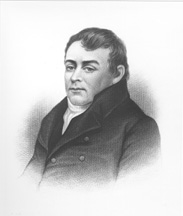
William A. Palmer
U.S.A.
Social Media

Personal Background
William A. Palmer was born in Hebron, Connecticut, in 1781 and completed his elementary education there before studying law in Hebron and Chelsea, Vermont. He was admitted to the bar in 1805 and established a career in law and public service, serving as a Probate Judge and Clerk of the county court. Palmer transitioned into elected positions, including serving in the Vermont House of Representatives and as an associate justice of the Vermont Supreme Court. He later represented Vermont in the United States Senate and as Governor, showcasing his leadership capabilities across various political affiliations.
Political Ideas
William A. Palmer's political identity is marked by a blend of progressive social reforms and economic pragmatism, often coalescing in unexpected ways. He championed the abolition of imprisonment for debt and supported expansive infrastructure projects, yet simultaneously targeted secret societies with legislative measures. His ideological agility is evident in his shifting party affiliations and the surprising convergence of his economic and social policies. Palmer's approach reveals a calculated strategy to balance regional industrial growth with moral and legal reforms, leaving the reader curious about the underlying rationale for these policy combinations.