William Aiken Jr.
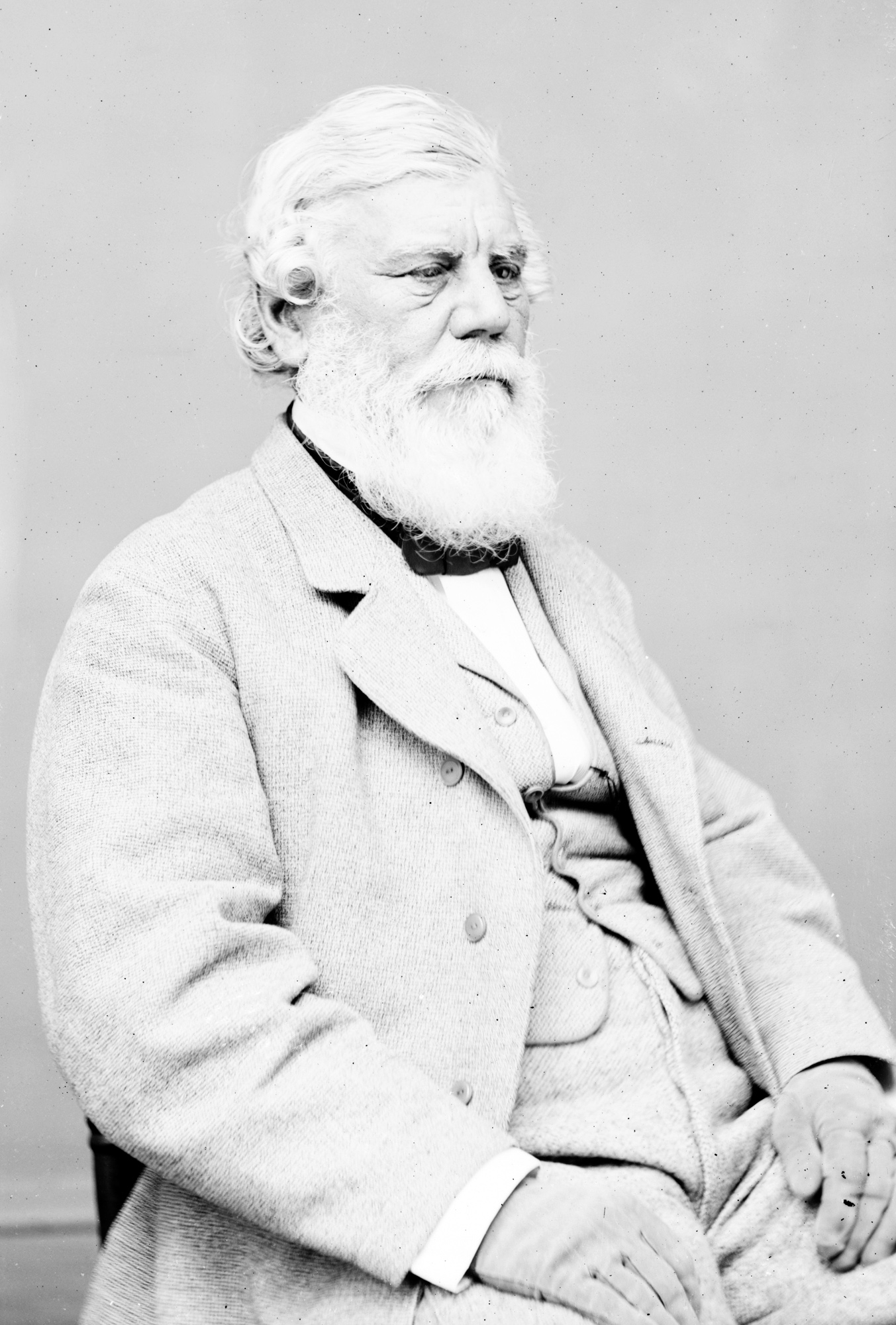
William Aiken Jr.
U.S.A.

Social Media

Personal Background
William Aiken Jr. graduated from the College of South Carolina in 1825 and embarked on a career in agriculture, managing one of the largest rice plantations in South Carolina. He entered politics in 1837, serving in both the State House of Representatives and State Senate before becoming the 61st governor of South Carolina. Aiken later transitioned to federal politics, serving in the U.S. House of Representatives. Despite his involvement in plantation ownership and the complexities of his stance on slavery, he adapted post-Civil War by transitioning to a paid labor system for his former enslaved workers.
Political Ideas
William Aiken Jr.'s political identity is marked by a surprising blend of Unionist sentiments and a pragmatic approach to slavery, even as he owned one of the largest rice plantations in South Carolina. Despite his Unionist leanings, Aiken's actions post-Civil War, including paying his formerly enslaved workers, reveal a complex approach to labor and race relations. His rhetorical style balances a commitment to regional interests with a nuanced stance on human rights, creating an intriguing tension in his political persona.