William Alexander Richardson
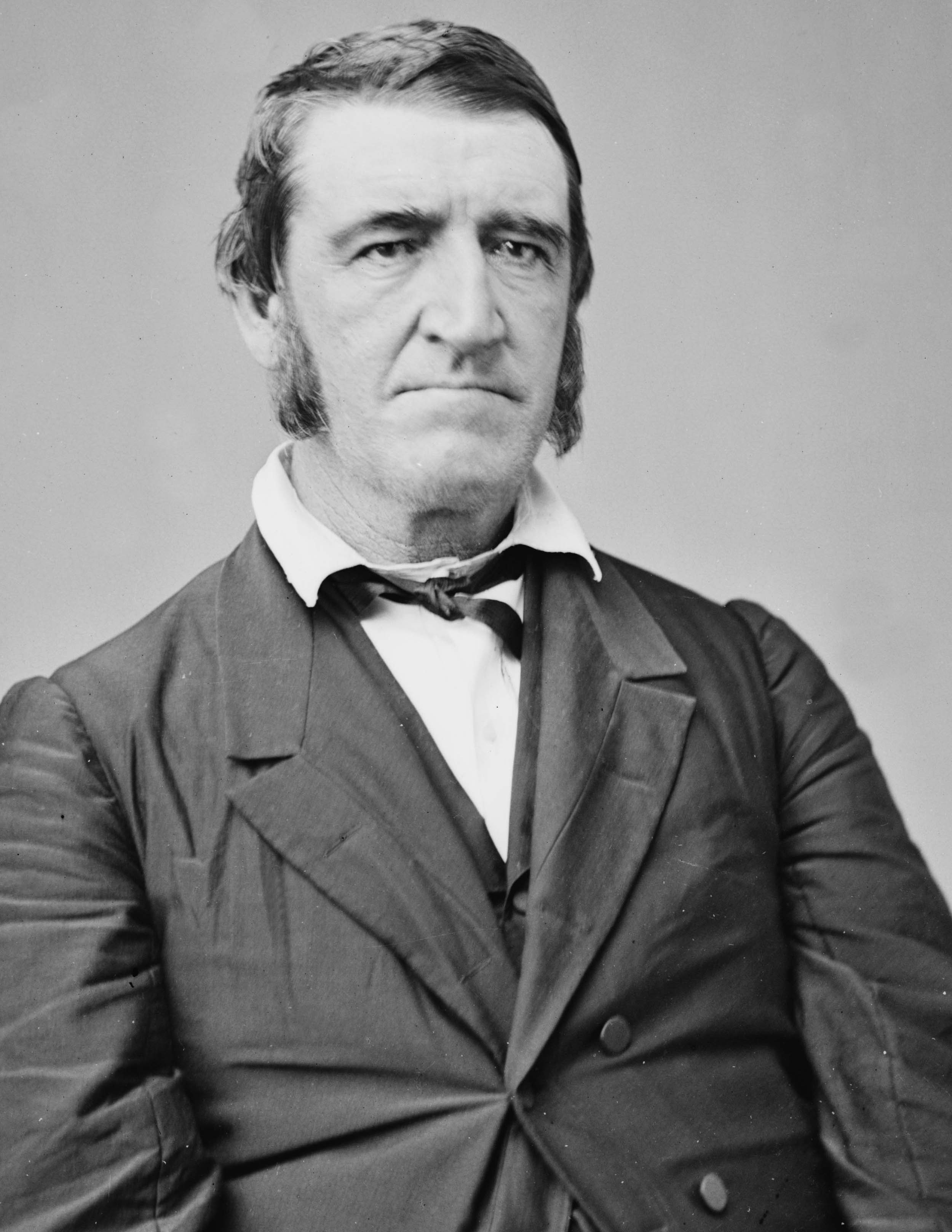
William Alexander Richardson
U.S.A.

Social Media

Personal Background
William Alexander Richardson was born in 1811 near Lexington, Kentucky, and established a legal career following his bar exam in 1831. He served in various capacities within the Illinois state government, including as a state house representative and state senator. Richardson transitioned to federal politics, serving multiple terms in the U.S. House of Representatives and later the U.S. Senate. He held significant roles in legislative processes, such as supporting the Compromise of 1850 and the Kansas-Nebraska Act, and he briefly commanded a volunteer company during the Mexican-American War. Richardson's career was marked by his advocacy for Jacksonian democracy and his complex stance on slavery and civil rights.
Political Ideas
William Alexander Richardson's political career reveals a complex ideological positioning, oscillating between support for Jacksonian democracy and strict constructionism while navigating the turbulent waters of slavery and civil war. His support for the Compromise of 1850, despite personal opposition to the Fugitive Slave Act, indicates a strategic alignment with regional interests. Richardson's later alignment with the Copperhead faction and vocal criticism of President Lincoln showcase a deeply calculated approach to national conflicts. His stance on slavery, asserting white superiority while opposing abolition in the District of Columbia, highlights a tension between his ideological convictions and political pragmatism.