William B. Bate
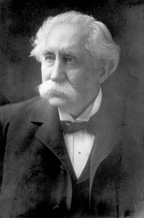
William B. Bate
U.S.A.

Social Media

Personal Background
William B. Bate exhibited a robust educational foundation, attending a rural academy and log schoolhouse. He began his career as a clerk on a steamboat before enlisting in the military during the Mexican–American War. Post-war, Bate returned to his family farm, established a newspaper, and pursued a legal career, earning a law degree and becoming an attorney general. His military experience included significant roles in the American Civil War, culminating in his promotion to major general. Following the war, Bate remained active in politics, eventually becoming Governor of Tennessee, where he focused on debt resolution and infrastructure. He later served multiple terms in the U.S. Senate, where he chaired several important committees.
Political Ideas
William B. Bate's political career is marked by an intriguing blend of regional loyalty and calculated pragmatism, particularly evident in his support for Confederate veterans and his economic policies favoring debt resolution and lower taxes. His legislative actions, such as establishing the State Railroad Commission, suggest a nuanced approach to regulation that balances regional industrial interests with broader economic stability. Despite his staunch support for the Confederacy, Bate's post-war advocacy for veterans reveals a surprising commitment to reconciliation and support for those who served, regardless of faction.