William B. Campbell
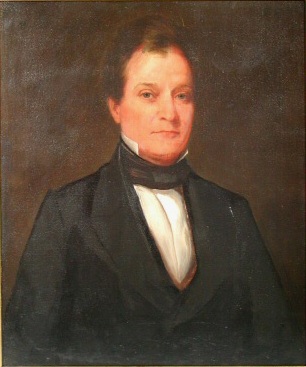
William B. Campbell
U.S.A.

Social Media

Personal Background
William B. Campbell studied law in Virginia before returning to Tennessee, where he established a law practice and was admitted to the bar. He transitioned from private practice to public service, serving in the Tennessee House of Representatives and the United States House of Representatives. Campbell's military experience includes leadership roles in the Second Seminole War and the Mexican–American War, as well as service in the Union Army during the Civil War. He held the governorship of Tennessee and later became President of the Bank of Middle Tennessee. Campbell's career reflects a blend of legal, military, and political leadership.
Political Ideas
William B. Campbell's political career is marked by a blend of military service and legislative pragmatism, often navigating complex sectional tensions with a calculated approach. His support for the Compromise of 1850 while denouncing the Nashville Convention reveals a nuanced stance on national unity. Campbell's decision to side with the Union during the Civil War, despite his Southern roots, underscores a commitment to a broader vision of national stability over regional allegiance. His rhetorical style, characterized by a preference for measured and reasoned debate, invites further inquiry into how he reconciles these seemingly divergent positions.