William B. Washburn
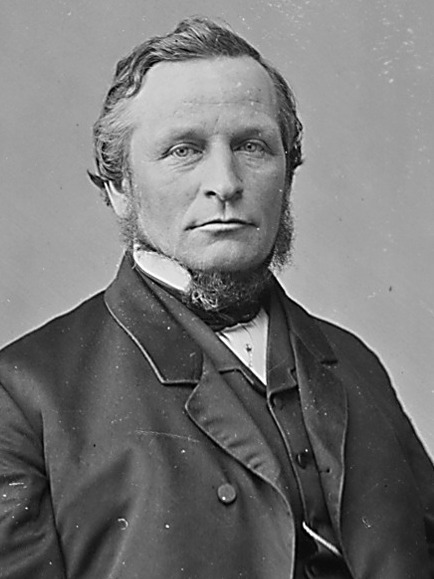
William B. Washburn
U.S.A.

Social Media

Personal Background
William B. Washburn graduated from Yale College in 1844 and was a member of the Skull and Bones Society. He began his career as a store clerk before establishing a chair factory and cofounding a trust company. Washburn transitioned into politics, serving in both the Massachusetts Senate and House of Representatives. He later became president of the Greenfield Bank and was elected governor of Massachusetts, where he focused on infrastructure, public services, and education reforms. Washburn also served as a U.S. Senator and was involved in various educational and missionary organizations.
Political Ideas
William B. Washburn's political career reveals a complex ideological blend, balancing progressive social reforms with a cautious approach to labor rights. His support for stringent alcohol prohibition laws and establishment of new prisons and mental health facilities juxtaposes with his opposition to a ten-hour workday, indicating a nuanced stance on workers' rights. Washburn's legislative advocacy for women's rights, including support for a women's reformatory, suggests a forward-thinking yet restrained approach to gender equality. His rhetorical style likely emphasizes regional economic stability and moral governance, masking an intricate balance between progressive reforms and traditional values.