William Badger
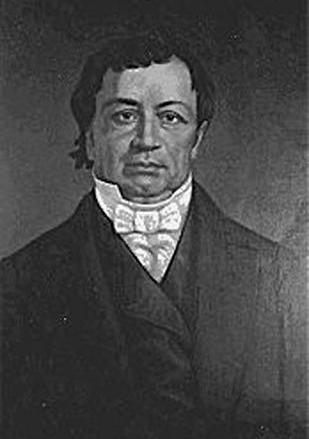
William Badger
U.S.A.

Social Media

Personal Background
William Badger was born in Gilmanton, New Hampshire, in 1779. He began his public service career as a trustee of Gilmanton Academy and later served as an aide to Governor John Langdon. Badger held various positions in the New Hampshire legislature, including in the House of Representatives and the Senate, where he served as President in 1816-1817. He also served as an Associate Justice for the Court of Common Pleas and as High Sheriff of Strafford County. Badger's tenure as the 15th Governor of New Hampshire from 1834 to 1836 underscores his leadership capabilities.
Political Ideas
William Badger's political identity is marked by an intriguing blend of progressive social stances and pragmatic economic policies. Advocating for the elimination of capital punishment, he juxtaposes this with a support for Andrew Jackson's anti-bank stance that had significant economic repercussions. Badger's approach to regional issues, such as his handling of the Indian Stream Republic, reveals a calculated effort to balance local autonomy with state authority. His promotion of public health initiatives, particularly in rural areas, contrasts with his efforts to strengthen the state militia, showcasing a multifaceted view on governance and security.