William Bebb
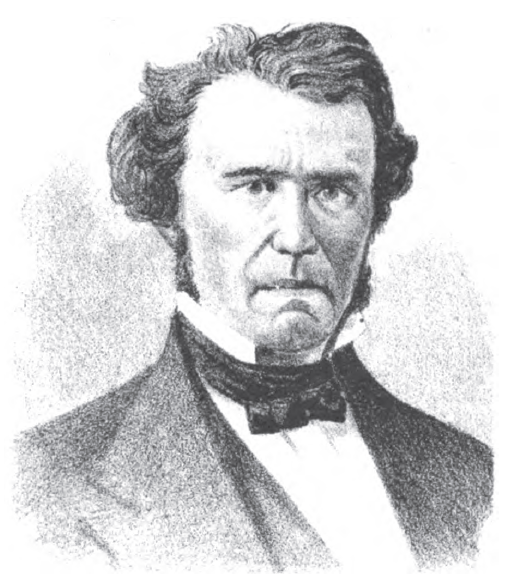
William Bebb
U.S.A.
Social Media

Personal Background
William Bebb, born in 1802 in what is now Butler County, Ohio, established his foundational career in education, serving as the first teacher at the Paddy's Run school and opening the Sycamore Grove School for boys. Transitioning to law, he passed the state bar examination and began practicing in 1831. Bebb's political career included significant roles within the Whig party, such as campaigning for William Henry Harrison and Henry Clay, and serving as a Presidential elector. He was elected governor of Ohio, holding office from 1846 to 1849. Bebb faced a notable legal challenge in 1858 when he was acquitted of manslaughter charges following an incident in 1857. Later, he served in the federal government, appointed by President Abraham Lincoln as an examiner in the pension office in 1868.
Political Ideas
William Bebb's political career reveals a strategic blend of traditional Whig economic policies with a personal commitment to education, creating an intriguing ideological juxtaposition. His advocacy for protective tariffs and a national bank aligns with classic Whig economic thought, yet his dedication to establishing and teaching at schools indicates a deep-seated belief in the power of education. Bebb's legal career, culminating in his successful defense against a manslaughter charge, showcases a calculated approach to navigating complex personal and political challenges.