William Bradford
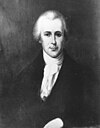
William Bradford
U.S.A.

Social Media

Personal Background
William Bradford was born in 1729 and began his career in public service as a deputy to the colonial assembly in Bristol, Rhode Island, from 1761 to 1766. He later established a legal practice and served on the Committee of Correspondence for the Rhode Island colony from 1773 to 1776. During the American Revolution, Bradford held military and political leadership roles, including serving as Deputy Governor of Rhode Island and commanding the colony's militia. He was elected to the Continental Congress in 1776 but did not attend. Bradford returned to state politics, serving multiple terms as a deputy and speaker of the assembly, and was elected to the United States Senate in 1793, where he served until 1797.
Political Ideas
William Bradford's political career reveals a complex interplay between regional defense and legislative leadership, marked by unexpected alliances on military matters. His role in negotiating a ceasefire after the British bombardment of Bristol showcases a strategic approach to conflict resolution. Despite his family ties to the slave trade through his daughter's marriage, Bradford's public policy record lacks explicit stances on social issues, leaving a nuanced picture of his ideological alignment.