William Burton
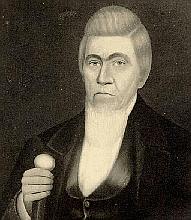
William Burton
U.S.A.

Social Media

Personal Background
William Burton, born in 1789 near Milford, Delaware, earned a medical degree from the University of Pennsylvania. He practiced medicine in Lewes and Milford before transitioning into public service. Burton initially served as the Sheriff of Kent County and later became a prominent political figure, switching from the Whig to the Democratic Party in 1848. He ran unsuccessfully for Governor in 1854 but was elected in 1858. As Governor, Burton opposed abolition but shifted to support the Union during the Civil War, securing state resources and encouraging enlistment. His term ended in 1863, and he passed away in 1866.
Political Ideas
William Burton's political journey reveals a complex ideological evolution, marked by a striking tension between his pro-slavery stance and his pro-Union position during the Civil War. Despite his early opposition to abolition, Burton's wartime actions underscore a calculated pragmatism in preserving state interests. His recommendation for a secession convention, which was ultimately rejected, highlights a nuanced approach to regional politics. Post-war, Burton's condemnation of federal troops and the Emancipation Proclamation further complicates his legacy, suggesting a deeply conflicted alignment with both state and federal authorities.